AI for Risk Management and Fraud Detection
Mitigate business risks and detect fraudulent activities more efficiently with AI systems.
Mitigate business risks and detect fraudulent activities more efficiently with AI systems.
AI for Risk Management and Fraud Detection
Understanding AI in Risk Management and Fraud Detection
Alright, let's talk about something super important for any business, big or small: risk management and fraud detection. In today's fast-paced digital world, the threats are constantly evolving. From financial fraud to operational risks, businesses are always on their toes. But here's the good news: Artificial Intelligence, or AI, is becoming an absolute game-changer in this arena. It's not just about catching bad guys anymore; it's about predicting where they might strike next and shoring up your defenses before any damage is done.
Think about it. Traditional methods of risk assessment and fraud detection often rely on rules-based systems. These are fine for known patterns, but what happens when a new type of fraud emerges? Or when a subtle, complex risk factor starts to brew? That's where AI shines. AI algorithms can process massive amounts of data, identify intricate patterns, and learn from past incidents in ways that human analysts simply can't. This means they can spot anomalies, predict potential risks, and flag suspicious activities with incredible speed and accuracy. It's like having an army of super-smart detectives working 24/7, constantly learning and adapting.
The Power of Predictive Analytics with AI for Risk
One of the coolest things AI brings to the table is predictive analytics. Instead of just reacting to risks or fraud after they've happened, AI allows businesses to anticipate them. Imagine being able to foresee a potential supply chain disruption before it impacts your production, or identifying a customer likely to default on a loan before the loan is even approved. This isn't science fiction; it's happening right now with AI.
AI models, particularly those using machine learning techniques like neural networks and decision trees, can analyze historical data to build predictive models. These models can then be applied to new, incoming data to assess risk scores, identify high-risk transactions, or even predict the likelihood of a security breach. This proactive approach saves businesses a ton of money, protects their reputation, and ensures smoother operations. It's about moving from a reactive stance to a truly preventative one.
AI in Financial Fraud Detection and Prevention
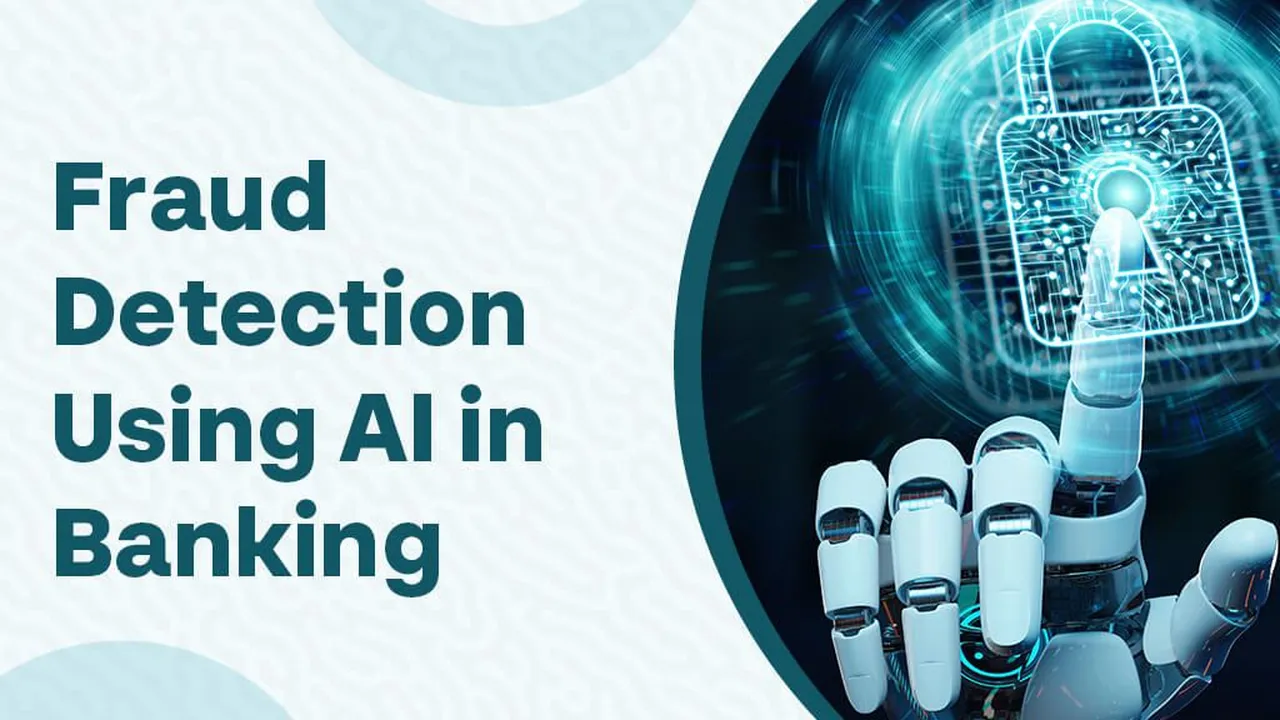
When it comes to financial fraud, AI is practically indispensable. Credit card fraud, money laundering, insurance fraud – these are massive problems that cost industries billions every year. AI systems are revolutionizing how financial institutions combat these threats.
For instance, AI can analyze transaction data in real-time, looking for unusual spending patterns, geographical anomalies, or sudden changes in behavior that might indicate a stolen card. It can cross-reference data points from various sources, making it incredibly difficult for fraudsters to slip through the cracks. Machine learning algorithms can adapt to new fraud schemes as they emerge, constantly refining their detection capabilities. This means fewer false positives for legitimate customers and a much higher success rate in catching actual fraudulent activities.
Recommended AI Fraud Detection Products for Finance
- Feedzai: This platform is a big player in real-time fraud prevention. It uses machine learning to analyze transactions and customer behavior, providing a comprehensive view of risk. It's known for its ability to detect new fraud patterns quickly.
- Features: Real-time transaction monitoring, behavioral biometrics, advanced machine learning models, case management tools.
- Use Case: Large banks, payment processors, and e-commerce platforms needing robust, real-time fraud detection across various channels.
- Comparison: Feedzai often competes with other enterprise-level solutions like FICO Falcon. It stands out for its focus on explainable AI and its ability to integrate with existing systems.
- Pricing: Enterprise-level pricing, typically custom quotes based on transaction volume and features. Expect significant investment.
- Sift: Sift offers a Digital Trust & Safety Suite that helps businesses prevent fraud and abuse across the entire customer journey. It's particularly strong for e-commerce and online businesses.
- Features: Fraud prevention (payment fraud, account takeover), content moderation, abuse prevention, machine learning-driven insights, global data network.
- Use Case: E-commerce sites, online marketplaces, gaming platforms, and any digital business facing various types of online fraud and abuse.
- Comparison: Sift is often compared to Signifyd and Riskified. It's praised for its user-friendly interface and broad coverage of digital trust issues beyond just payment fraud.
- Pricing: Tiered pricing based on transaction volume and features. Starts with a free trial, then custom quotes for larger volumes.
- DataVisor: DataVisor specializes in detecting sophisticated, organized fraud rings using unsupervised machine learning. This means it can find connections and patterns even without prior knowledge of fraud types.
- Features: Unsupervised machine learning, real-time detection, device intelligence, link analysis to uncover fraud rings, account protection.
- Use Case: Financial institutions, social media platforms, and online businesses dealing with complex, evolving fraud schemes and organized attacks.
- Comparison: DataVisor's strength lies in its unsupervised learning approach, which differentiates it from many rule-based or supervised learning solutions.
- Pricing: Enterprise-level, custom pricing based on data volume and specific needs.
AI for Operational Risk Management and Compliance
Beyond financial fraud, AI is also making huge strides in operational risk management and ensuring compliance with ever-changing regulations. Businesses face risks from internal processes, systems failures, human error, and external events. AI can help identify these vulnerabilities and provide insights to mitigate them.
For example, AI can monitor IT systems for anomalies that might indicate a cyberattack or a system malfunction. It can analyze employee behavior patterns to flag potential insider threats or compliance breaches. In highly regulated industries like healthcare or finance, AI can automate the monitoring of regulatory changes and ensure that internal policies and procedures are updated accordingly. This reduces the burden of manual compliance checks and significantly lowers the risk of costly penalties.
Recommended AI Operational Risk and Compliance Products
- MetricStream: A leading provider of Governance, Risk, and Compliance (GRC) solutions, MetricStream incorporates AI to enhance risk assessments, audit management, and regulatory compliance.
- Features: AI-powered risk assessments, automated compliance checks, real-time risk monitoring, integrated GRC platform, regulatory intelligence.
- Use Case: Large enterprises across various industries (finance, healthcare, manufacturing) needing a comprehensive GRC solution with AI capabilities.
- Comparison: MetricStream competes with other GRC platforms like Archer (RSA) and ServiceNow GRC. It's known for its robust features and industry-specific solutions.
- Pricing: Enterprise-level, custom pricing based on modules and user count.
- IBM Watson for GRC: IBM leverages its Watson AI capabilities to help organizations manage risk and compliance. It can analyze unstructured data, like legal documents and news feeds, to identify emerging risks.
- Features: Natural Language Processing (NLP) for risk intelligence, cognitive risk assessment, regulatory change management, AI-driven insights into operational data.
- Use Case: Businesses looking to leverage advanced AI for deep analysis of textual data related to risk and compliance, especially those already in the IBM ecosystem.
- Comparison: IBM Watson's strength is its advanced NLP and cognitive capabilities, which can extract insights from vast amounts of unstructured data that other platforms might miss.
- Pricing: Varies significantly based on the specific Watson services used and scale of deployment.
- LogicManager: This platform offers an Enterprise Risk Management (ERM) solution that uses AI to connect risks across the organization, providing a holistic view.
- Features: AI-powered risk identification, incident management, compliance mapping, vendor risk management, intuitive dashboard.
- Use Case: Mid-sized to large organizations seeking an integrated ERM platform that can connect various risk types and provide actionable insights.
- Comparison: LogicManager is often praised for its ease of use and ability to integrate different risk silos, making it a strong contender for organizations looking for a unified risk view.
- Pricing: Subscription-based, custom quotes depending on modules and number of users.
AI in Cybersecurity Risk Mitigation and Threat Detection
Cybersecurity is another critical area where AI is making a profound impact. The sheer volume and sophistication of cyber threats today are overwhelming for human security teams. AI-powered security solutions can analyze network traffic, user behavior, and system logs in real-time to detect and respond to threats much faster than traditional methods.
AI can identify zero-day attacks (previously unknown threats), detect subtle indicators of compromise, and even predict potential attack vectors. It can automate threat hunting, reducing the time attackers have to dwell in a system. Furthermore, AI can help prioritize alerts, reducing alert fatigue for security analysts and allowing them to focus on the most critical threats. This means stronger defenses, quicker response times, and ultimately, better protection against costly cyber breaches.
Recommended AI Cybersecurity Products
- CrowdStrike Falcon: A leading endpoint protection platform that uses AI and machine learning to detect and prevent advanced threats, including malware-free attacks.
- Features: Endpoint Detection and Response (EDR), next-gen antivirus, threat intelligence, managed threat hunting, cloud-native architecture.
- Use Case: Organizations of all sizes needing robust endpoint security against sophisticated cyber threats, including ransomware and nation-state attacks.
- Comparison: CrowdStrike is a top-tier EDR solution, often compared to SentinelOne and Microsoft Defender for Endpoint. It's known for its lightweight agent and strong detection capabilities.
- Pricing: Subscription-based, varies by module and number of endpoints. Starts around $8.99 per endpoint per month for basic protection, scaling up for advanced features.
- Darktrace: Darktrace uses unsupervised machine learning to build an 'immune system' for an organization's network. It learns the normal behavior of every user and device, then detects subtle deviations that indicate a threat.
- Features: Enterprise Immune System, AI-powered threat detection, autonomous response, network traffic analysis, SaaS and cloud security.
- Use Case: Organizations looking for a proactive, self-learning security solution that can detect novel and internal threats across their entire digital estate.
- Comparison: Darktrace's unsupervised learning approach is unique, setting it apart from traditional SIEM or EDR solutions. It focuses on internal threat detection and behavioral anomalies.
- Pricing: Enterprise-level, custom quotes based on network size and deployment.
- Splunk Enterprise Security: While Splunk is primarily a SIEM (Security Information and Event Management) platform, it heavily leverages machine learning and AI for advanced threat detection, incident investigation, and security operations.
- Features: Security monitoring, advanced threat detection (using ML), incident response, security analytics, compliance reporting, integration with various data sources.
- Use Case: Large enterprises with complex IT environments needing a centralized platform for security monitoring, threat detection, and incident management.
- Comparison: Splunk ES is a comprehensive SIEM solution, often compared to IBM QRadar and Microsoft Sentinel. Its strength lies in its powerful data ingestion and analysis capabilities, enhanced by ML.
- Pricing: Based on data ingestion volume, can be significant for large organizations. Starts with a free trial, then custom quotes.
Challenges and Considerations for AI Implementation
Now, while AI offers incredible benefits for risk management and fraud detection, it's not a magic bullet. There are definitely challenges and considerations to keep in mind when implementing these systems.
First off, data quality is paramount. AI models are only as good as the data they're trained on. If your data is messy, incomplete, or biased, your AI will produce flawed results. So, investing in data governance and cleansing is crucial. Then there's the 'black box' problem with some advanced AI models. It can sometimes be difficult to understand exactly why an AI made a certain decision, which can be an issue in regulated industries where explainability is required. This is where 'explainable AI' (XAI) is becoming increasingly important.
Another point is the ongoing need for human oversight. AI is a powerful tool, but it's not meant to completely replace human experts. Analysts are still needed to interpret AI insights, investigate complex cases, and make final decisions. AI should augment human capabilities, not eliminate them. Finally, the cost of implementing and maintaining these advanced AI systems can be substantial, especially for smaller businesses. It requires investment in technology, talent, and ongoing training.
The Future of AI in Risk and Fraud
Looking ahead, the role of AI in risk management and fraud detection is only going to grow. We'll see even more sophisticated AI models capable of detecting increasingly complex and novel threats. The integration of AI with other emerging technologies like blockchain could create even more secure and transparent systems. Real-time risk assessment will become the norm, allowing businesses to make instantaneous, data-driven decisions.
Furthermore, AI will become more accessible, with more user-friendly platforms and services emerging, making these powerful tools available to a wider range of businesses. The focus will shift even more towards proactive and preventative measures, moving away from reactive responses. It's an exciting time to be in this space, and businesses that embrace AI will undoubtedly be better positioned to navigate the complex landscape of risks and threats in the years to come.
:max_bytes(150000):strip_icc()/277019-baked-pork-chops-with-cream-of-mushroom-soup-DDMFS-beauty-4x3-BG-7505-5762b731cf30447d9cbbbbbf387beafa.jpg)