AI Tools for Personalized Marketing Campaigns
Boost your marketing ROI with AI platforms that enable highly personalized campaigns and customer targeting.
Boost your marketing ROI with AI platforms that enable highly personalized campaigns and customer targeting.
AI Tools for Personalized Marketing Campaigns
The Power of Personalization in Modern Marketing
Hey there, marketers! Ever feel like you're shouting into the void with your generic campaigns? In today's crowded digital landscape, personalization isn't just a buzzword; it's a necessity. Customers are bombarded with messages daily, and they've grown accustomed to experiences tailored just for them. Think about it: when you get an email that feels like it was written specifically for you, or see a product recommendation that perfectly matches your taste, doesn't it grab your attention more? That's the magic of personalized marketing. It's about delivering the right message to the right person at the right time, and guess what? AI is making this easier and more effective than ever before.
Gone are the days of one-size-fits-all marketing. Today's consumers expect brands to understand their needs, preferences, and even their purchasing history. This level of understanding allows businesses to create highly relevant and engaging experiences, leading to increased customer satisfaction, higher conversion rates, and ultimately, a better return on investment (ROI). But how do you achieve this at scale without hiring an army of data analysts? Enter AI. Artificial intelligence tools are revolutionizing how we approach personalization, making it accessible even for small and medium-sized businesses.
Understanding AI Driven Personalization What It Is and Why It Matters
So, what exactly is AI-driven personalization? At its core, it's the use of artificial intelligence and machine learning algorithms to analyze vast amounts of customer data. This data can include browsing history, purchase behavior, demographic information, interactions with your website or app, email opens, social media engagement, and much more. AI processes this data to identify patterns, predict future behavior, and segment your audience into highly specific groups. Based on these insights, AI then helps you deliver customized content, product recommendations, offers, and communications across various channels.
Why does it matter? Because it works! When you personalize your marketing efforts, you're not just sending out messages; you're building relationships. Customers feel valued and understood, which fosters loyalty and trust. This leads to higher engagement rates, better click-through rates, increased conversions, and a significant boost in customer lifetime value. Imagine a customer who frequently buys running shoes from your online store. An AI system can identify this pattern and then automatically recommend new running shoe models, related apparel, or even articles about running tips. This targeted approach is far more effective than showing them generic ads for unrelated products.
Key Benefits of AI Powered Personalized Marketing
Let's dive into some of the tangible benefits you can expect when you integrate AI into your personalization strategy:
- Enhanced Customer Experience: AI helps you understand individual customer journeys, allowing you to provide relevant content and offers at every touchpoint. This creates a seamless and enjoyable experience that keeps customers coming back.
- Increased Conversion Rates: By showing customers exactly what they're looking for, or what they're likely to be interested in, AI significantly improves the chances of them making a purchase.
- Higher Customer Retention and Loyalty: When customers feel understood and valued, they are more likely to remain loyal to your brand. Personalized communication builds stronger relationships.
- Improved Marketing ROI: Less wasted ad spend on irrelevant audiences means your marketing budget goes further. AI ensures your messages reach the right people, maximizing your return.
- Better Data Insights: AI tools don't just personalize; they also provide deep insights into customer behavior, helping you refine your strategies over time.
- Scalability: Personalizing for thousands or millions of customers manually is impossible. AI automates this process, allowing you to scale your efforts without a massive increase in resources.
- Competitive Advantage: Businesses that effectively leverage AI for personalization stand out from competitors who are still using generic marketing tactics.
Top AI Platforms for Personalized Marketing Campaigns
Alright, let's get to the exciting part: the tools! There are many fantastic AI platforms out there designed to help you personalize your marketing. Here are a few top contenders, along with their typical use cases, pricing models, and what makes them stand out.
Salesforce Marketing Cloud Personalization (formerly Interaction Studio)
Use Case: This is a robust, enterprise-level platform ideal for large businesses with complex customer journeys and multiple touchpoints. It excels at real-time personalization across web, email, mobile, and advertising channels. Think of it for dynamic website content, personalized email sequences, and targeted ad campaigns based on live behavior.
Key Features: Real-time customer profiles, behavioral segmentation, AI-powered recommendations, A/B testing, journey orchestration, and integration with the broader Salesforce ecosystem.
Pricing: Salesforce products are typically on the higher end, with custom quotes based on usage, features, and the size of your database. Expect a significant investment, often starting in the thousands of dollars per month for comprehensive packages. It's a premium solution for businesses that need deep, integrated personalization across their entire customer lifecycle.
Why it stands out: Its real-time capabilities are unparalleled, allowing for immediate personalization based on current user behavior. If a user clicks on a specific product, the website can instantly adapt to show related items or offers. Its integration with CRM data makes for a truly unified customer view.
Adobe Experience Platform (AEP)
Use Case: Another enterprise-grade solution, AEP is designed for large organizations that need to unify customer data from various sources and activate it for personalized experiences across all channels. It's perfect for brands with a vast digital footprint and complex data requirements, including retail, media, and financial services.
Key Features: Real-time customer profiles, data ingestion from virtually any source, AI/ML services for segmentation and personalization (Adobe Sensei), journey orchestration, and robust analytics. It's a comprehensive customer data platform (CDP) with powerful personalization capabilities built on top.
Pricing: Similar to Salesforce, Adobe Experience Platform is an enterprise solution with custom pricing. It's a substantial investment, often in the tens of thousands of dollars per month, depending on data volume, features, and usage. It's built for companies that require a highly scalable and flexible data foundation for their personalization efforts.
Why it stands out: AEP's strength lies in its ability to unify disparate data sources into a single, real-time customer profile. This 'single source of truth' allows for incredibly precise and consistent personalization across every customer interaction, from website visits to mobile app usage and call center interactions.
Braze
Use Case: Braze is a customer engagement platform that excels at mobile-first personalization, but also supports web, email, and in-app messaging. It's popular among consumer-facing apps and businesses that prioritize real-time, contextual messaging to drive engagement and retention. Think of it for personalized push notifications, in-app messages, and email campaigns based on user behavior within an app.
Key Features: Real-time data streaming, advanced segmentation, AI-powered journey orchestration (Canvas), personalized messaging (push, in-app, email, SMS), A/B testing, and robust analytics. It's designed for marketers who want to create dynamic, multi-channel customer journeys.
Pricing: Braze offers tiered pricing based on your monthly active users (MAU) and the features you need. While it can scale to enterprise levels, it's also accessible for growing businesses. Pricing can range from a few thousand dollars per month for smaller user bases to significantly more for larger enterprises. They offer custom quotes.
Why it stands out: Braze's real-time data processing and robust journey builder (Canvas) allow marketers to create highly responsive and personalized customer experiences. Its mobile-first approach makes it particularly strong for app-centric businesses looking to drive engagement and reduce churn.
Dynamic Yield (now a Mastercard company)
Use Case: Dynamic Yield is a personalization platform focused on optimizing customer experiences across web, mobile, and email. It's particularly strong for e-commerce businesses looking to increase conversions through personalized recommendations, content, and A/B testing. Think of it for personalized product carousels, dynamic landing pages, and tailored promotions.
Key Features: AI-powered recommendation engine, A/B testing and multivariate testing, audience segmentation, personalized messaging, content personalization, and a visual editor for easy implementation. It's designed to help marketers and merchandisers quickly deploy and optimize personalized experiences.
Pricing: Dynamic Yield's pricing is typically based on website traffic volume and the features required. It's generally considered an upper-mid to enterprise-level solution. Expect pricing to be in the thousands of dollars per month, with custom quotes available based on your specific needs.
Why it stands out: Dynamic Yield's strength lies in its powerful recommendation engine and its ease of use for marketers. It allows for rapid experimentation and optimization of personalized experiences, making it a favorite among e-commerce and content-heavy websites.
Optimizely (formerly Episerver)
Use Case: Optimizely offers a comprehensive Digital Experience Platform (DXP) that includes content management, e-commerce, and powerful experimentation and personalization capabilities. It's suitable for businesses that need an integrated solution for managing their digital presence and delivering personalized experiences across various channels. Think of it for personalized content delivery on websites, A/B testing of new features, and optimizing user flows.
Key Features: AI-powered experimentation (A/B testing, multivariate testing), personalization engine, content management system (CMS), e-commerce capabilities, and analytics. It's a platform designed to help businesses continuously optimize their digital experiences.
Pricing: Optimizely is an enterprise-level DXP, and its pricing reflects that. It's typically based on usage, features, and the scale of your operations. Expect custom quotes, with costs potentially ranging from several thousand to tens of thousands of dollars per month for comprehensive implementations.
Why it stands out: Optimizely's core strength is its experimentation capabilities. It allows businesses to rigorously test different personalized experiences and content variations to ensure they are delivering the most effective and engaging interactions for their audience.
Segment (a Twilio company)
Use Case: While not a personalization engine itself, Segment is a leading Customer Data Platform (CDP) that is absolutely crucial for effective personalization. It collects, cleans, and routes customer data from all your sources (website, app, CRM, etc.) to your various marketing and analytics tools. It's essential for businesses that have fragmented customer data and want to build a unified customer profile to feed into their personalization engines.
Key Features: Data collection (SDKs, APIs), data governance, identity resolution, audience segmentation, and integrations with hundreds of marketing, analytics, and personalization tools. It acts as the central nervous system for your customer data.
Pricing: Segment offers a free tier for small usage, with paid plans scaling based on Monthly Tracked Users (MTUs) and features. Pricing can range from a few hundred dollars per month for growing businesses to many thousands for large enterprises with high data volumes. Custom enterprise plans are available.
Why it stands out: Segment's ability to unify customer data from disparate sources is its superpower. Without clean, unified data, even the best personalization engines will struggle. Segment ensures that your personalization tools have access to a complete and accurate view of each customer.
Insider
Use Case: Insider is an AI-powered platform that helps brands deliver personalized experiences across multiple channels, including web, mobile, email, and messaging apps. It's particularly strong for e-commerce and retail, focusing on driving conversions and customer lifetime value. Think of it for personalized pop-ups, smart recommendations, and targeted push notifications.
Key Features: AI-powered segmentation, predictive analytics, personalized recommendations, A/B testing, journey orchestration, and a wide range of engagement channels (web push, in-app, email, SMS, WhatsApp). It aims to provide a unified platform for customer engagement and personalization.
Pricing: Insider's pricing is typically custom and depends on the features required, the number of channels used, and the volume of customer interactions. It's generally positioned for mid-market to enterprise businesses, with costs likely in the thousands of dollars per month.
Why it stands out: Insider offers a comprehensive suite of tools within a single platform, making it easier for marketers to manage and orchestrate personalized campaigns across various channels without needing multiple vendors. Its focus on predictive segmentation helps identify high-value customers and at-risk segments.
Implementing AI Personalization A Step by Step Guide
Ready to jump in? Here's a simplified roadmap to implementing AI-powered personalization in your marketing efforts:
Step 1 Define Your Personalization Goals and KPIs
Before you even look at tools, figure out what you want to achieve. Are you aiming to increase conversion rates on your product pages? Reduce cart abandonment? Improve email open rates? Boost customer retention? Clearly defining your goals will help you choose the right tools and measure your success. Also, establish key performance indicators (KPIs) that will tell you if your personalization efforts are working. This could be conversion rate, average order value, customer lifetime value, email click-through rate, or bounce rate.
Step 2 Consolidate and Clean Your Customer Data
This is arguably the most critical step. AI thrives on data. The more comprehensive and accurate your customer data, the better your personalization will be. Gather data from all your sources: CRM, e-commerce platform, website analytics, email marketing platform, mobile app, social media, etc. If your data is fragmented, consider investing in a Customer Data Platform (CDP) like Segment to unify it. Clean data means removing duplicates, correcting errors, and ensuring consistency. Garbage in, garbage out, right?
Step 3 Choose the Right AI Personalization Platform
Based on your goals, budget, and the complexity of your data, select a platform that fits your needs. Consider factors like ease of integration, scalability, the channels it supports, the types of personalization it offers (recommendations, dynamic content, journey orchestration), and its analytics capabilities. Don't be afraid to request demos and trials.
Step 4 Segment Your Audience with AI
Once your data is flowing into your chosen platform, use its AI capabilities to segment your audience. Beyond basic demographics, AI can identify behavioral segments (e.g., 'frequent browsers of X category,' 'cart abandoners,' 'loyal customers,' 'first-time visitors'). These AI-driven segments are far more nuanced and actionable than manual segmentation.
Step 5 Create Personalized Experiences and Content
Now, the fun begins! Based on your segments, start creating personalized experiences. This could include:
- Personalized Product Recommendations: 'Customers who viewed this also viewed...' or 'Based on your past purchases...'
- Dynamic Website Content: Showing different hero banners, promotions, or even entire page layouts based on a user's segment or real-time behavior.
- Tailored Email Campaigns: Sending emails with product suggestions, content, or offers specific to an individual's interests or stage in the customer journey.
- Personalized Push Notifications/In-App Messages: Reminding users about items in their cart, new arrivals in their favorite category, or special offers.
- Targeted Ads: Using AI insights to create highly specific ad audiences on platforms like Facebook or Google.
Step 6 Test, Analyze, and Optimize Continuously
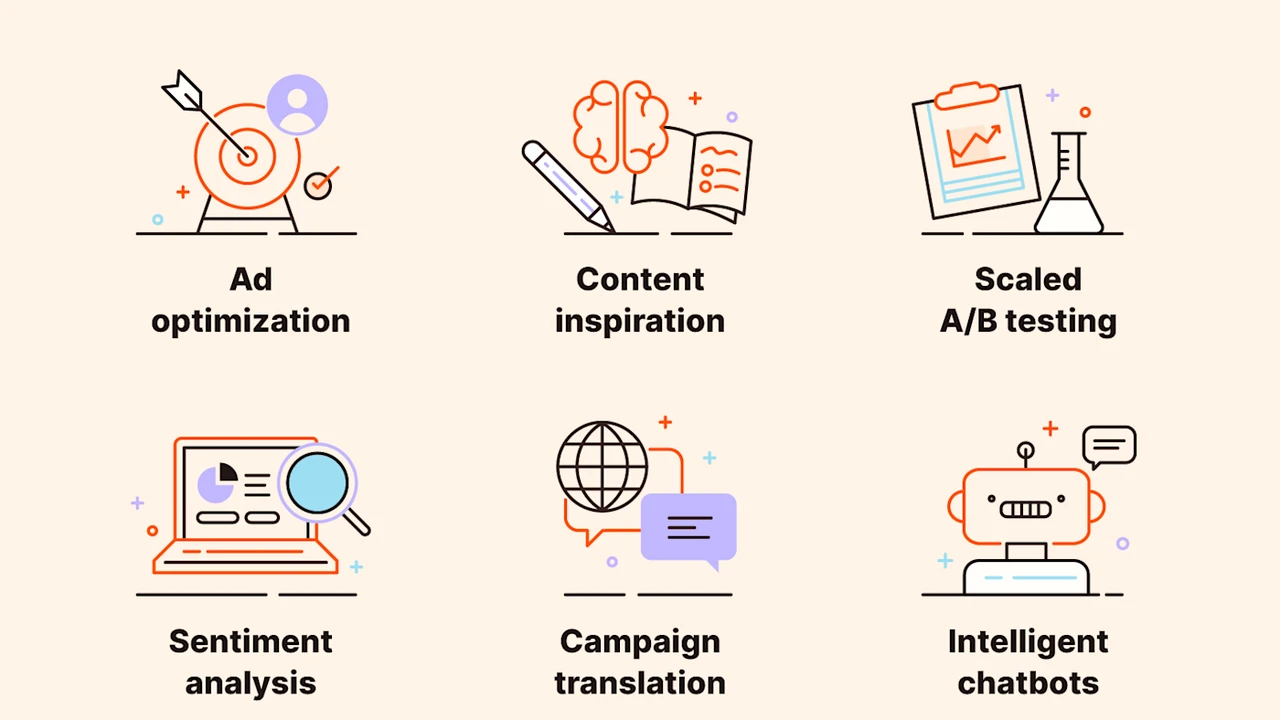
Personalization is not a set-it-and-forget-it strategy. Use A/B testing and multivariate testing features within your platform to compare different personalized experiences. Analyze the results against your KPIs. What's working? What's not? Use these insights to refine your segments, adjust your content, and optimize your personalization rules. AI models also learn and improve over time as they receive more data, so continuous monitoring is key.
Challenges and Considerations in AI Personalization
While AI personalization offers immense benefits, it's not without its challenges. Being aware of these can help you navigate the implementation process more smoothly:
Data Privacy and Compliance
With great data comes great responsibility. Ensure your personalization efforts comply with data privacy regulations like GDPR, CCPA, and others relevant to your target markets. Be transparent with your customers about how you collect and use their data, and always prioritize their privacy. Opt-in mechanisms and clear privacy policies are crucial.
Data Quality and Integration
As mentioned, poor data quality can cripple your personalization efforts. Investing time and resources into data cleaning, standardization, and integration is non-negotiable. If your data sources don't talk to each other, your AI won't have a complete picture of your customer.
Avoiding Over-Personalization or Creepiness
There's a fine line between helpful personalization and being 'creepy.' Don't make customers feel like you're watching their every move. For example, repeatedly showing ads for a product they just purchased can be annoying. Balance relevance with respect for privacy. Sometimes, less is more.
Technical Complexity and Resource Requirements
Implementing and managing advanced AI personalization platforms can be technically complex. You might need skilled data scientists, developers, or marketing technologists on your team, or be prepared to invest in training existing staff. While many platforms aim for user-friendliness, the underlying complexity is still there.
Measuring True ROI
While AI personalization generally leads to better ROI, accurately attributing specific sales or conversions to personalized efforts can sometimes be challenging, especially in complex customer journeys. Establish clear attribution models and track the right metrics to demonstrate impact.
The Future of Personalized Marketing with AI
The landscape of personalized marketing is constantly evolving, and AI is at the forefront of this transformation. We're moving towards even more sophisticated levels of personalization, including:
- Hyper-Personalization: Moving beyond segments to truly individual experiences, where every interaction is unique to that specific customer.
- Predictive Personalization: AI will get even better at predicting not just what a customer might want, but when they might want it, and even how they prefer to be communicated with.
- Generative AI in Content Creation: AI will increasingly help generate personalized content (email copy, ad creatives, product descriptions) at scale, making it even easier to tailor messages.
- Voice and Conversational AI: Personalization will extend to voice assistants and chatbots, providing highly relevant and natural interactions.
- Cross-Channel Orchestration: Seamlessly personalized experiences across every single touchpoint, online and offline, will become the norm.
Embracing AI for personalized marketing isn't just about staying competitive; it's about building stronger, more meaningful relationships with your customers. By leveraging these powerful tools, you can move beyond generic messaging and create marketing campaigns that truly resonate, driving engagement, loyalty, and ultimately, significant growth for your business.
:max_bytes(150000):strip_icc()/277019-baked-pork-chops-with-cream-of-mushroom-soup-DDMFS-beauty-4x3-BG-7505-5762b731cf30447d9cbbbbbf387beafa.jpg)