How to Sell AI Generated Art Online
Learn the best platforms and strategies for monetizing your AI-generated artwork.
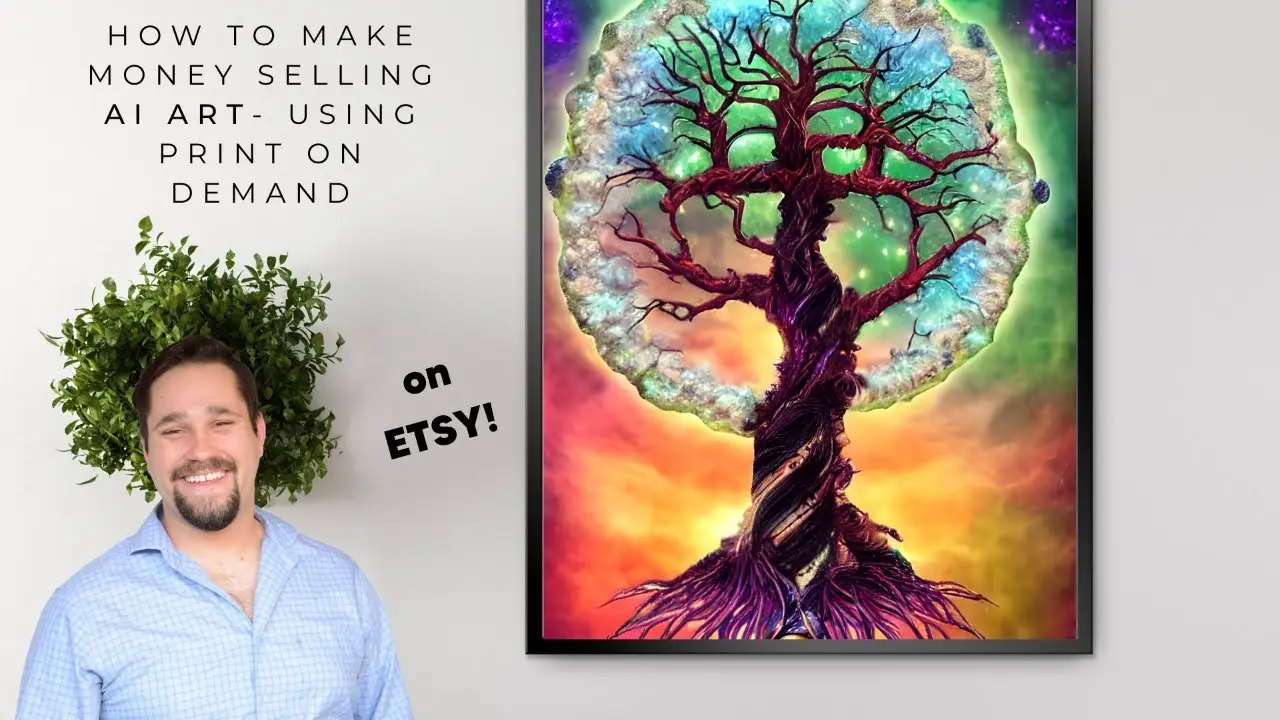
Learn the best platforms and strategies for monetizing your AI-generated artwork. The world of art is constantly evolving, and with the advent of artificial intelligence, a new frontier has opened up for creators. AI-generated art, once a niche concept, is now a burgeoning field offering incredible opportunities for artists to explore new aesthetics and, more importantly, to monetize their creations. If you've been experimenting with tools like Midjourney, DALL-E 3, Stable Diffusion, or others, and you're wondering how to turn those digital masterpieces into a steady income stream, you've come to the right place. This comprehensive guide will walk you through the best platforms, effective strategies, and crucial considerations for selling your AI-generated art online.
Understanding the AI Art Market
The Rise of AI Art and Its Commercial Potential
AI art has exploded in popularity, driven by advancements in generative adversarial networks (GANs) and diffusion models. What started as a technological curiosity has quickly matured into a legitimate art form, captivating audiences and collectors alike. The commercial potential is immense because AI allows for rapid iteration, unique stylistic exploration, and the creation of art that might be impossible or prohibitively expensive to produce through traditional means. From abstract landscapes to photorealistic portraits, AI can generate a vast array of visual content, appealing to diverse tastes and markets. This accessibility means more people can become 'artists' or 'creators,' blurring traditional lines and opening up new avenues for income.
Navigating Copyright and Ownership in AI Art
This is perhaps the most debated and complex aspect of selling AI art. Currently, copyright law is still catching up to the rapid pace of AI development. In many jurisdictions, including the United States, the U.S. Copyright Office has stated that works generated solely by AI without significant human input are not eligible for copyright protection. However, if you use AI as a tool and significantly modify, arrange, or select the output, adding your own creative expression, then your human contribution might be copyrightable. This is a gray area, and it's crucial to understand the terms of service for the AI tools you use. Some tools grant you commercial rights to the output, while others might have restrictions. Always read the fine print. For example, Midjourney's terms generally allow commercial use for paid subscribers, while free users have more limitations. DALL-E 3, integrated into ChatGPT Plus, also typically grants commercial rights to users for the images they generate. Stable Diffusion, being open-source, offers more flexibility, but the user is responsible for ensuring their use complies with any underlying model licenses. It's advisable to consult with a legal professional if you plan to build a significant business around AI art, especially if you're concerned about protecting your unique style or creations.
Choosing the Right Platforms to Sell Your AI Art
Dedicated AI Art Marketplaces and Galleries
These platforms are specifically designed for AI art, attracting a niche audience already interested in this new medium. They often provide tools and communities tailored to AI artists.
SuperRare
- Description: A premier marketplace for unique, single-edition digital artworks, primarily focusing on NFTs. SuperRare is highly curated, meaning not just anyone can list their art. They look for high-quality, innovative pieces.
- Target Audience: Serious NFT collectors and digital art enthusiasts.
- Pros: High visibility among collectors, strong community, potential for high sale prices for unique pieces.
- Cons: Highly selective, requires an invitation to join, gas fees for transactions can be high.
- Pricing/Fees: 15% commission on primary sales, 3% royalty on secondary sales for artists. Gas fees apply for minting and transactions.
- Use Case: For artists creating truly unique, high-concept AI art that they believe has significant artistic merit and collector appeal.
Foundation
- Description: Another popular NFT marketplace known for its clean interface and focus on digital art. Like SuperRare, it's invite-only, fostering a sense of exclusivity and quality.
- Target Audience: NFT collectors and digital art buyers.
- Pros: Good exposure, strong community, easy to use once invited.
- Cons: Invite-only system can be a barrier, gas fees.
- Pricing/Fees: 15% commission on primary sales, 10% royalty on secondary sales for artists. Gas fees apply.
- Use Case: Ideal for artists who want to sell their AI art as unique NFTs and are looking for a curated marketplace.
KnownOrigin
- Description: An artist-focused NFT platform that emphasizes provenance and authenticity. It's more accessible than SuperRare or Foundation but still maintains a level of curation.
- Target Audience: NFT collectors, digital art enthusiasts.
- Pros: Artist-friendly, good community support, focus on unique editions.
- Cons: Still requires an application process, gas fees.
- Pricing/Fees: 15% commission on primary sales, 12.5% royalty on secondary sales for artists. Gas fees apply.
- Use Case: A good stepping stone for AI artists looking to enter the curated NFT space without the extreme exclusivity of some other platforms.
General Digital Art and Print-on-Demand Platforms
These platforms offer broader reach and allow you to sell your AI art in various formats, from digital downloads to physical prints.
Etsy
- Description: A global marketplace for handmade and vintage items, but also very popular for digital downloads and print-on-demand products. You can sell AI art as digital prints, phone cases, t-shirts, mugs, etc.
- Target Audience: General consumers looking for unique gifts, home decor, or digital assets.
- Pros: Huge customer base, easy to set up a shop, low listing fees, diverse product options.
- Cons: High competition, requires active marketing, Etsy fees can add up.
- Pricing/Fees: $0.20 listing fee per item, 6.5% transaction fee, plus payment processing fees (e.g., 3% + $0.25 per transaction).
- Use Case: Excellent for selling AI art as digital downloads (e.g., printable wall art) or integrating with print-on-demand services for physical products.
Redbubble
- Description: A popular print-on-demand platform where artists upload designs, and Redbubble handles printing, shipping, and customer service. Your AI art can be applied to a wide range of products.
- Target Audience: Consumers looking for unique apparel, home goods, stationery, and gifts.
- Pros: No upfront costs, passive income potential, wide variety of products, global reach.
- Cons: Lower profit margins per item, high competition, less control over product presentation.
- Pricing/Fees: You set your own markup percentage on the base price of each product. Redbubble takes the base price.
- Use Case: Ideal for artists who want to create a passive income stream by selling their AI art on everyday items without managing inventory or shipping.
Society6
- Description: Similar to Redbubble, Society6 is a print-on-demand platform with a focus on art prints, home decor, and lifestyle products. It often has a slightly more curated, artistic feel.
- Target Audience: Consumers interested in art-driven home decor and lifestyle products.
- Pros: High-quality products, good brand reputation, passive income.
- Cons: Lower profit margins, competition, less control.
- Pricing/Fees: Artists earn 10% of the retail price on most products, with higher percentages for art prints.
- Use Case: Great for artists whose AI art lends itself well to interior design and fashion accessories.
Displate
- Description: Specializes in metal posters. Artists upload their designs, and Displate prints them on high-quality metal sheets.
- Target Audience: People looking for unique wall art, especially those who appreciate a modern, industrial aesthetic.
- Pros: Unique product offering, high perceived value, good quality prints.
- Cons: Niche market, designs need to be suitable for metal prints, lower profit margins.
- Pricing/Fees: Artists earn a percentage of each sale, typically around 25% of the net price.
- Use Case: If your AI art has a strong visual impact and would look great on metal, Displate is an excellent option.
Creative Market
- Description: A marketplace for digital assets, including graphics, fonts, templates, and photos. You can sell your AI art as stock images, digital patterns, or design elements.
- Target Audience: Designers, marketers, small businesses looking for digital resources.
- Pros: High profit share for artists, direct sales of digital files, good for selling design assets.
- Cons: Requires high-quality, commercially viable designs, competition.
- Pricing/Fees: Artists earn 60% of each sale.
- Use Case: Perfect for AI artists who can generate versatile images, textures, or patterns that designers can use in their projects.
Stock Photography and Asset Sites
While traditionally for photography, many stock sites are now accepting high-quality AI-generated images, especially those that are photorealistic or abstract.
Adobe Stock
- Description: A leading stock content platform integrated with Adobe Creative Cloud. They accept high-quality photos, vectors, illustrations, and now, increasingly, AI-generated content.
- Target Audience: Designers, marketers, businesses, and content creators.
- Pros: Huge reach, integration with Adobe products, potential for recurring income from licenses.
- Cons: Strict quality control, lower per-download royalties, requires commercial viability.
- Pricing/Fees: Royalties vary but typically range from 33% for photos/vectors to 35% for videos.
- Use Case: If your AI can generate photorealistic images, abstract backgrounds, or conceptual illustrations that meet commercial needs, this is a strong contender.
Shutterstock
- Description: One of the largest stock content agencies. They have a vast library and accept a wide range of content, including AI-generated images.
- Target Audience: Businesses, media companies, designers, and content creators worldwide.
- Pros: Massive customer base, high volume of potential downloads, good for passive income.
- Cons: Lower per-download royalties, high competition, quality control.
- Pricing/Fees: Royalties are tiered, starting at 15% and increasing with lifetime earnings.
- Use Case: Similar to Adobe Stock, excellent for commercially viable AI images that can be used in marketing, websites, or presentations.
Getty Images / iStock
- Description: Premium stock content providers known for high-quality, exclusive content. They are more selective but offer higher royalties for accepted work.
- Target Audience: High-end agencies, major publications, and brands.
- Pros: Higher royalties, prestige, exposure to major clients.
- Cons: Very selective, strict submission guidelines, can be harder to get accepted.
- Pricing/Fees: Royalties vary, often starting around 15-20% and increasing for exclusive content.
- Use Case: For AI artists who can consistently produce exceptionally high-quality, unique, and commercially appealing images that meet stringent editorial or commercial standards.
Strategies for Monetizing Your AI Art
Building Your Brand and Online Presence
Simply creating great AI art isn't enough; you need to get it in front of the right people. Building a strong online presence is crucial.
Creating a Portfolio Website
A dedicated website acts as your central hub. Platforms like Squarespace, Wix, or even a simple WordPress site allow you to showcase your best work, tell your story, and direct potential buyers to your chosen marketplaces. Include an 'About Me' section, contact information, and clear links to where your art can be purchased. This is where you establish your unique artistic voice and style.
Leveraging Social Media for Discovery
Platforms like Instagram, Twitter (X), Pinterest, and TikTok are visual powerhouses perfect for AI art. Share your creations regularly, use relevant hashtags (e.g., #AIart, #Midjourneyart, #DALL-E3, #generativeart, #NFTart), and engage with the community. Show your process, share behind-the-scenes glimpses, and interact with other artists and potential collectors. Consider running contests or challenges to boost engagement.
Engaging with AI Art Communities
Join Discord servers dedicated to AI art (like the official Midjourney server), Reddit communities (r/aiart, r/midjourney), and Facebook groups. These communities are excellent for getting feedback, learning new techniques, and networking with other artists and collectors. Many sales happen through direct connections made in these spaces.
Pricing Your AI Art Effectively
Pricing can be tricky, especially for a new medium. Consider these factors:
- Uniqueness and Rarity: Is it a one-of-a-kind NFT or a mass-produced print? Rarity often commands higher prices.
- Effort and Skill: How much human input and refinement went into the piece? Complex prompts, extensive post-processing, and artistic vision add value.
- Market Demand: Research what similar AI art is selling for on your chosen platforms.
- Format: Digital downloads are typically cheaper than physical prints, and NFTs can vary wildly.
- Licensing: Are you selling full commercial rights, or just personal use? Commercial licenses command higher fees.
For NFTs, consider starting with lower bids or fixed prices to attract initial buyers, then adjust as your reputation grows. For prints, calculate your costs (platform fees, printing, shipping) and add a reasonable profit margin.
Marketing and Promotion Strategies
Beyond just posting, active marketing can significantly boost your sales.
SEO for Your Listings and Website
If you're selling on platforms like Etsy or your own website, optimize your titles, descriptions, and tags with relevant keywords. Think about what potential buyers would search for (e.g., 'abstract AI art print,' 'futuristic digital painting,' 'Midjourney landscape').
Collaborations and Cross-Promotions
Partner with other AI artists, digital creators, or influencers. Cross-promote each other's work to reach new audiences. Consider collaborating on a joint project or exhibition.
Running Targeted Ads
Platforms like Instagram, Facebook, and Google allow you to run targeted ads to reach specific demographics interested in art, technology, or NFTs. Start with a small budget and optimize your campaigns based on performance.
Email Marketing
Build an email list from your website visitors or social media followers. Send out newsletters showcasing new art, special offers, or behind-the-scenes content. This is a powerful way to build a loyal audience.
Advanced Monetization Avenues
Offering Custom AI Art Commissions
Many individuals and businesses are looking for unique, personalized AI art. Offer custom commissions where clients describe their vision, and you use AI tools to bring it to life. This can include portraits, brand imagery, book covers, or conceptual art. Platforms like Fiverr or Upwork can be good starting points for finding clients, or you can promote this service directly on your website and social media.
Selling AI Art Prompts and Tutorials
If you've mastered prompt engineering, you can sell your expertise. Create and sell curated prompt packs for specific styles or themes. You can also offer online courses or tutorials on how to use AI art generators effectively, covering topics like advanced prompting, inpainting, outpainting, and post-processing techniques. Platforms like Gumroad or even your own website are great for this.
Licensing Your AI Art for Commercial Use
Beyond selling individual pieces, you can license your AI art for commercial purposes. This means businesses or individuals pay a fee to use your art in their marketing materials, websites, products, or publications. This can be a significant source of recurring income. Clearly define the terms of the license (e.g., exclusive vs. non-exclusive, duration, usage limitations).
Creating AI Art Collections and Series
Instead of selling individual pieces, create cohesive collections or series around a specific theme, style, or narrative. This can increase perceived value and encourage collectors to buy multiple pieces. For NFTs, this can be a 'drop' or a limited edition series. For prints, it could be a themed gallery wall set.
Participating in Virtual and Physical Exhibitions
As AI art gains mainstream acceptance, more galleries and art spaces are hosting exhibitions. Look for opportunities to showcase your work in virtual galleries (e.g., Decentraland, Cryptovoxels) or even physical art shows. This can significantly boost your visibility and credibility as an artist.
Key Considerations for Success
Quality Over Quantity in AI Art Creation
While AI allows for rapid generation, focus on quality. Curate your portfolio carefully, showcasing only your best and most unique pieces. High-resolution, well-composed, and aesthetically pleasing art will always stand out.
Understanding Your Niche and Target Audience
Are you creating abstract art for home decor? Photorealistic images for stock sites? Conceptual pieces for NFT collectors? Define your niche and tailor your art, platforms, and marketing efforts accordingly. Knowing your audience helps you create art they want to buy.
Staying Updated with AI Tools and Trends
The AI art landscape is evolving at an incredible pace. New models, features, and techniques emerge constantly. Stay curious, experiment with new tools, and keep learning. This will help you maintain a competitive edge and continue to create fresh, innovative art.
Legal and Ethical Responsibilities
Always be transparent about the use of AI in your art. Respect copyright laws and the terms of service of the AI tools you use. Be mindful of ethical considerations, such as avoiding the generation of harmful or biased content. Building a reputation for integrity is just as important as building a reputation for artistic skill.
Building a Community Around Your Art
Engage with your audience. Respond to comments, answer questions, and build relationships. A loyal community of fans and collectors can be your biggest asset, providing support, feedback, and repeat business. Share your journey, your inspirations, and your challenges. People connect with authenticity.
Selling AI-generated art online is an exciting and rapidly expanding field. By understanding the market, choosing the right platforms, implementing effective strategies, and continuously refining your craft, you can successfully monetize your AI creations and build a thriving artistic career in this new digital frontier. The possibilities are truly limitless for those willing to explore and innovate.
:max_bytes(150000):strip_icc()/277019-baked-pork-chops-with-cream-of-mushroom-soup-DDMFS-beauty-4x3-BG-7505-5762b731cf30447d9cbbbbbf387beafa.jpg)