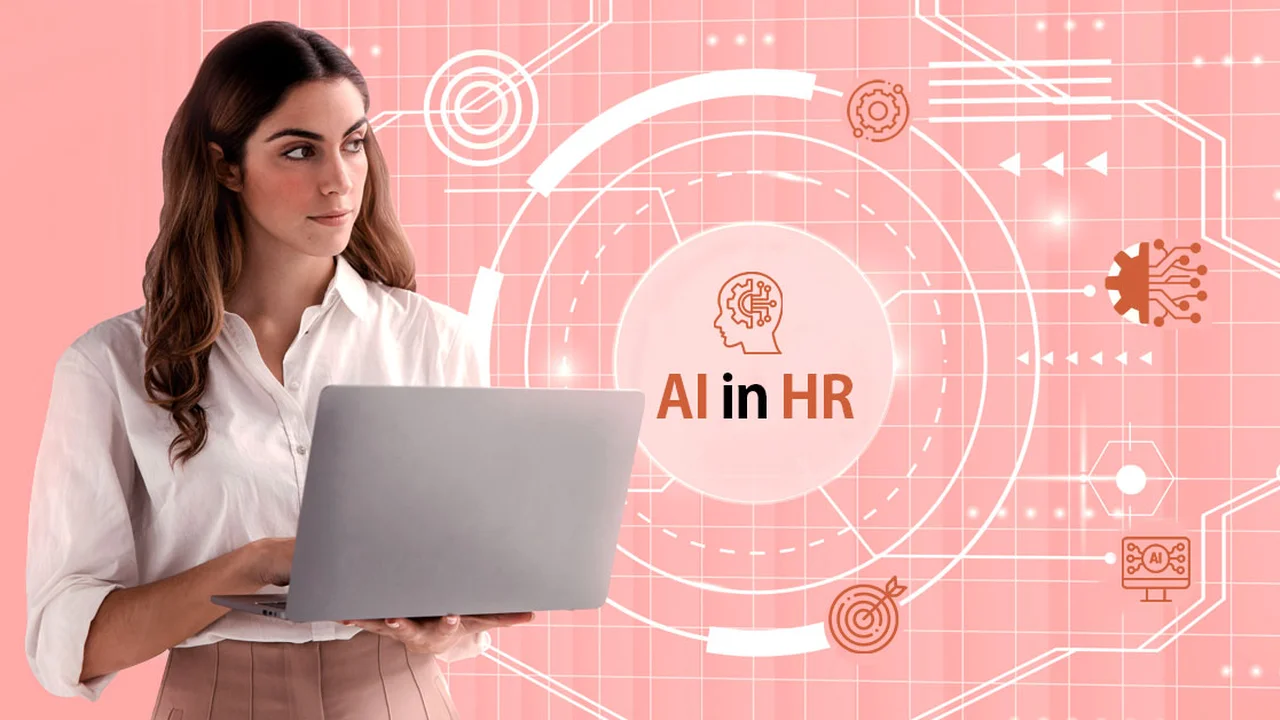
Revolutionize HR processes from talent acquisition to employee training with AI solutions.
Revolutionize HR processes from talent acquisition to employee training with AI solutions. That's what we're diving into today, exploring how artificial intelligence is not just a buzzword but a practical tool transforming the human resources landscape. From finding the perfect candidate to nurturing employee growth, AI is making HR smarter, faster, and more efficient.
AI in Recruitment The Future of Talent Acquisition
Let's kick things off with recruitment, arguably one of the most time-consuming and critical functions in HR. Traditionally, this involved sifting through mountains of resumes, scheduling endless interviews, and battling unconscious biases. Enter AI, ready to streamline the entire process.
Automated Resume Screening and Candidate Matching
Imagine having a super-powered assistant that can read thousands of resumes in minutes, identify key skills, and match them to job requirements with incredible accuracy. That's what AI-powered resume screening tools do. They go beyond keyword matching, understanding context and even predicting candidate success based on historical data.
One popular option here is HireVue. While known for its video interviewing, HireVue also offers AI-driven resume analysis that helps identify top candidates faster. It uses machine learning to analyze candidate data, including skills, experience, and even cultural fit indicators. Pricing for HireVue is typically enterprise-level, customized based on company size and features needed, often starting from several thousand dollars annually.
Another strong contender is Textio. Textio focuses on optimizing job descriptions and outreach emails to attract a more diverse and qualified talent pool. It uses AI to analyze language for bias and suggest more inclusive wording, which indirectly aids in better candidate matching. Textio's pricing is also subscription-based, varying by usage, but expect to pay a few hundred to a few thousand dollars per month depending on the scale of your hiring.
For smaller businesses or those looking for a more budget-friendly option, Jobscan offers a great tool for optimizing resumes and job descriptions. While not a full-fledged ATS, it helps both candidates and recruiters by highlighting keyword matches and suggesting improvements. Jobscan offers a free trial, with premium plans starting around $49.95 per month.
AI Powered Interviewing and Assessment Tools
Beyond screening, AI is also making waves in the interviewing and assessment phase. This isn't about robots conducting interviews, but rather AI assisting human interviewers by providing objective insights and standardizing the process.
HireVue, as mentioned, excels here with its AI-powered video interviewing. It analyzes candidates' verbal and non-verbal cues, providing insights into communication skills, problem-solving abilities, and even emotional intelligence. This can help reduce bias and ensure a more consistent evaluation across all candidates. The use case is clear: high-volume recruitment where consistency and efficiency are paramount. The pricing model remains enterprise-level, tailored to specific organizational needs.
Then there's Pymetrics, which uses neuroscience games to assess candidates' cognitive and emotional traits. It's designed to predict job performance and cultural fit without relying on traditional resumes or interviews, thereby reducing bias. Pymetrics integrates with existing ATS systems and offers a unique approach to talent assessment. Pricing is typically custom, based on the volume of assessments and integration requirements.
For technical roles, CodeSignal and HackerRank use AI to assess coding skills through automated challenges and real-time performance analysis. They can evaluate code quality, efficiency, and problem-solving approaches, providing objective data to recruiters. These platforms are invaluable for tech companies. Both offer various pricing tiers, from free basic plans for individual developers to enterprise solutions that can cost thousands per month, depending on the number of assessments and features.
Candidate Experience Enhancement with AI Chatbots
Let's not forget the candidate experience. A positive experience can significantly impact your employer brand. AI chatbots are stepping up to provide instant answers to common questions, schedule interviews, and keep candidates engaged throughout the hiring journey.
Paradox's Olivia is a leading AI recruiting assistant that automates candidate communication, screening, and scheduling. Olivia can answer FAQs, conduct initial screenings, and even schedule interviews, freeing up recruiters' time for more strategic tasks. It's designed to provide a seamless and personalized experience for candidates 24/7. Pricing is enterprise-level, customized based on the volume of interactions and integrations.
Another great option is Mya Systems (now part of Harver). Mya uses conversational AI to engage with candidates, answer questions, screen for qualifications, and even re-engage silver medalists for future roles. It aims to automate up to 75% of candidate interactions. Similar to Olivia, Mya's pricing is tailored to the client's specific needs and scale.
For a more general-purpose chatbot that can be adapted for HR, platforms like Intercom or Drift can be integrated with HR systems to provide basic candidate support. While not specialized HR AI, their flexibility allows for custom workflows. These typically offer tiered pricing, starting from a few hundred dollars per month for basic features to several thousand for advanced functionalities and higher usage.
AI in Training and Development Nurturing Your Workforce
Once you've hired the best talent, the next challenge is to develop and retain them. AI is proving to be an invaluable asset in creating personalized, effective, and engaging training programs.
Personalized Learning Paths with AI
Gone are the days of one-size-fits-all training. AI can analyze an employee's skills, performance data, and career aspirations to recommend personalized learning paths. This ensures that training is relevant, engaging, and directly contributes to individual and organizational goals.
Degreed is a prominent learning platform that uses AI to curate personalized learning experiences. It aggregates learning content from various sources (courses, articles, videos) and recommends relevant resources based on an individual's skills, roles, and career goals. Degreed's pricing is typically enterprise-level, based on the number of users and features required.
Cornerstone OnDemand also leverages AI to provide personalized learning recommendations and skill development insights. Its platform helps organizations identify skill gaps and suggest targeted training to close them, fostering continuous employee growth. Cornerstone's pricing is also customized for enterprise clients.
For a more accessible option, platforms like Coursera for Business or Udemy Business use AI to recommend courses based on user activity and popular trends. While not as deeply integrated with HR data as enterprise solutions, they offer a vast library of content and some level of personalization. These platforms offer tiered pricing based on the number of users, often starting from a few hundred dollars per month for small teams.
AI Powered Performance Management and Feedback
Performance management can often feel subjective and infrequent. AI can bring objectivity and continuous feedback into the process, making it more effective and less daunting.
Betterworks is a continuous performance management platform that incorporates AI to provide insights into employee goals, progress, and feedback. It helps managers identify high-performers and those who might need more support, facilitating more meaningful conversations. Pricing is typically custom, based on the number of employees.
Lattice, another popular performance management tool, uses AI to analyze feedback and performance data, helping identify trends and areas for improvement. It streamlines goal setting, 1-on-1s, and performance reviews, making the process more data-driven. Lattice offers tiered pricing, starting from around $8 per employee per month.
For a simpler approach, some HRIS systems like Workday and SAP SuccessFactors are integrating AI capabilities into their performance modules. These allow for more automated feedback collection, sentiment analysis of comments, and predictive insights into employee retention. Their pricing is comprehensive and depends on the full suite of modules implemented.
AI for Employee Engagement and Retention
Keeping employees engaged and reducing turnover are top priorities for HR. AI can help by identifying potential flight risks, understanding sentiment, and recommending interventions.
Glint (now part of LinkedIn) is an employee engagement platform that uses AI to analyze survey data and provide actionable insights into employee sentiment, well-being, and engagement drivers. It helps organizations understand what truly motivates their workforce and address potential issues proactively. Glint's pricing is enterprise-level, customized based on the organization's size.
Culture Amp is another leading platform for employee experience, leveraging AI to analyze feedback from surveys, 360-degree reviews, and performance data. It helps identify patterns and predict areas of concern, allowing HR to intervene before issues escalate. Culture Amp offers various pricing tiers based on the number of employees and features.
Some HR analytics platforms, like Visier, use advanced AI and machine learning to predict employee turnover, identify key drivers of retention, and even model the impact of various HR initiatives. Visier is a powerful tool for strategic workforce planning. Its pricing is typically custom and reflects its advanced analytical capabilities.
Challenges and Considerations for AI in HR
While the benefits are clear, implementing AI in HR isn't without its challenges. It's crucial to address these to ensure successful adoption and ethical use.
Data Privacy and Security
HR deals with highly sensitive personal data. Ensuring the privacy and security of this data is paramount. Organizations must comply with regulations like GDPR and CCPA and choose AI solutions with robust security measures. Always ask vendors about their data encryption, access controls, and compliance certifications.
Bias in AI Algorithms
AI systems learn from data, and if that data contains historical biases, the AI will perpetuate them. This is particularly critical in recruitment, where biased algorithms could lead to discriminatory hiring practices. Regular auditing of AI algorithms, diverse training data, and human oversight are essential to mitigate bias.
Integration with Existing HR Systems
Many organizations have existing HRIS, ATS, and LMS systems. Seamless integration of new AI tools is crucial to avoid data silos and ensure a unified HR ecosystem. Look for AI solutions that offer robust APIs and pre-built integrations with popular HR platforms.
The Human Element in HR
AI is a tool, not a replacement for human interaction. While AI can automate repetitive tasks and provide valuable insights, the human touch remains vital in HR. Empathy, complex problem-solving, and strategic decision-making still require human intelligence. AI should augment, not eliminate, the human element in HR.
The Future is Now AI in HR is Here to Stay
AI is no longer a futuristic concept in HR; it's a present-day reality. From revolutionizing how we find and hire talent to personalizing employee development and boosting engagement, AI is empowering HR professionals to be more strategic, efficient, and impactful. By embracing these technologies thoughtfully and ethically, organizations can build stronger, more resilient workforces ready for the challenges of tomorrow.
:max_bytes(150000):strip_icc()/277019-baked-pork-chops-with-cream-of-mushroom-soup-DDMFS-beauty-4x3-BG-7505-5762b731cf30447d9cbbbbbf387beafa.jpg)