Top AI Tools for Language Translation
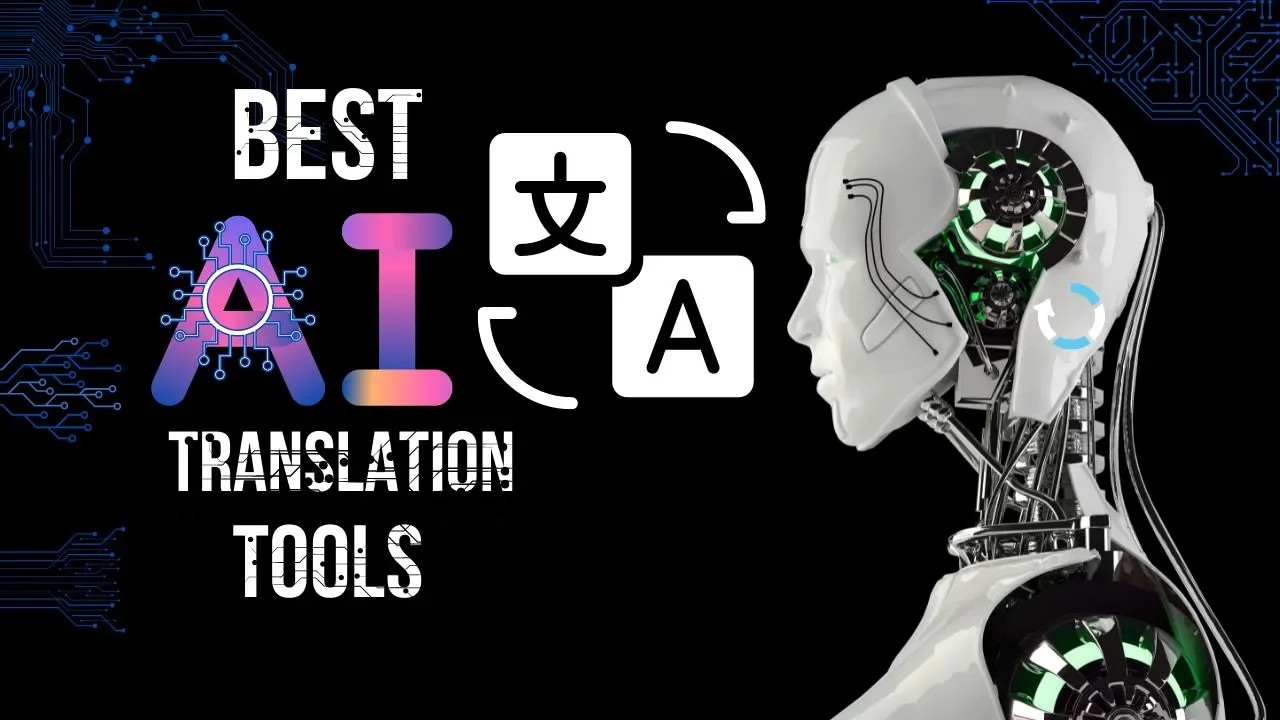
Break down language barriers with the most accurate and efficient AI translation tools for global communication.
Break down language barriers with the most accurate and efficient AI translation tools for global communication.
Top AI Tools for Language Translation
Why AI Translation is a Game Changer for Global Communication
In today's interconnected world, effective communication across language barriers isn't just a convenience; it's a necessity. Whether you're a business expanding into new markets, a content creator reaching a global audience, a student researching international papers, or simply someone trying to understand a foreign language, traditional translation methods can be slow, expensive, and often inaccurate. This is where AI translation steps in, revolutionizing how we interact with different languages. AI-powered tools leverage advanced algorithms, machine learning, and neural networks to provide fast, often real-time, and increasingly accurate translations. They learn from vast datasets, improving over time and adapting to nuances that rule-based systems simply can't grasp. This section will dive deep into why AI translation is not just a trend but a fundamental shift in how we approach global communication, offering unparalleled efficiency and accessibility.
Understanding the Core Technology Behind AI Translation Neural Machine Translation Explained
At the heart of modern AI translation lies Neural Machine Translation (NMT). Unlike older statistical or rule-based machine translation systems, NMT uses large artificial neural networks to predict the likelihood of a sequence of words. Think of it like this: instead of translating word by word or phrase by phrase, NMT models consider the entire sentence or even the entire context of a paragraph. This allows them to produce more fluid, natural-sounding, and contextually accurate translations. They learn patterns and relationships between words and phrases in different languages, much like the human brain learns language. This deep learning approach enables NMT to capture idiomatic expressions, grammatical structures, and cultural nuances that were previously challenging for machines. We'll explore how NMT works, its advantages over previous methods, and why it's the driving force behind the impressive capabilities of today's leading AI translation tools.
Comparing the Best AI Translation Tools for Accuracy and Efficiency
When it comes to choosing an AI translation tool, accuracy and efficiency are paramount. While many tools claim to be the best, their performance can vary significantly depending on the language pair, the type of content, and the specific features offered. This section will provide a detailed comparison of the top AI translation tools available today, focusing on their strengths, weaknesses, and ideal use cases. We'll look at how they handle different content types, from casual conversations to technical documents, and assess their real-time translation capabilities. We'll also consider their integration options, user interfaces, and overall reliability. This comparison aims to help you make an informed decision based on your specific translation needs.
Google Translate The Ubiquitous AI Translator for Everyday Use
Google Translate is arguably the most widely recognized and used AI translation tool globally. Its ubiquity stems from its ease of use, broad language support (over 100 languages), and integration across various Google products. It's excellent for quick translations of text, websites, and even real-time conversations via its mobile app. For casual users, travelers, or those needing a quick understanding of foreign text, Google Translate is incredibly convenient. It supports text input, voice input, image translation (via camera), and even handwriting. While its accuracy has vastly improved with NMT, it can sometimes struggle with highly nuanced or specialized content, especially in less common language pairs. It's a fantastic starting point for general translation needs, offering a solid baseline for comparison.
DeepL Translator Superior Nuance and Contextual Understanding
DeepL has gained a reputation for producing remarkably natural-sounding and contextually accurate translations, often surpassing Google Translate in quality for certain language pairs, particularly European languages. DeepL's strength lies in its sophisticated neural networks, which are trained on a massive corpus of high-quality translated texts. This allows it to grasp subtle nuances, idiomatic expressions, and the overall tone of the source text more effectively. It's a favorite among professional translators and businesses that require high-quality output for marketing materials, legal documents, or creative content. DeepL offers a free web version with limitations and a paid Pro version that provides unlimited translations, higher character limits, and integration options. Its interface is clean and intuitive, making it a pleasure to use for more demanding translation tasks.
Microsoft Translator Enterprise-Grade Solutions and Integration
Microsoft Translator offers robust AI translation capabilities, particularly appealing to enterprise users due to its strong integration with Microsoft products like Office, Edge, and Skype. It supports a wide range of languages and provides features like real-time conversation translation, text translation, and document translation. Microsoft's focus on enterprise solutions means it offers secure and scalable translation services, making it suitable for businesses handling sensitive data. Its API is also widely used by developers to integrate translation functionalities into their own applications. While it might not always match DeepL's naturalness for every language pair, its reliability, security features, and seamless integration within the Microsoft ecosystem make it a powerful contender for business and professional use.
Amazon Translate Scalable and Customizable for Developers
Amazon Translate is a neural machine translation service designed primarily for developers and businesses looking to integrate translation capabilities into their applications, websites, or workflows. As part of Amazon Web Services (AWS), it offers high scalability, security, and customization options. Users can train custom translation models using their own data, which significantly improves accuracy for industry-specific terminology or unique content. This makes it ideal for large enterprises with specific translation needs, such as e-commerce platforms, media companies, or customer support centers. While it doesn't offer a direct consumer-facing interface like Google Translate or DeepL, its power lies in its backend capabilities and flexibility for developers to build tailored translation solutions.
SYSTRAN Translate Professional and Secure Translation for Businesses
SYSTRAN has been a pioneer in machine translation for decades, and their SYSTRAN Translate platform continues to offer advanced AI translation solutions. They focus heavily on professional and enterprise-grade translation, providing secure environments for sensitive data and customizable engines. SYSTRAN offers on-premise solutions, which are crucial for organizations with strict data privacy requirements. Their neural translation engines are highly adaptable and can be trained with specific glossaries and translation memories to ensure consistent terminology and style. SYSTRAN Translate is a strong choice for large corporations, government agencies, and translation agencies that demand high accuracy, security, and control over their translation processes.
Specific Use Cases and Product Recommendations for AI Translation
AI translation tools aren't just for translating single sentences anymore. Their capabilities extend to a wide array of applications, making them indispensable for various professionals and industries. Understanding the specific use cases can help you choose the right tool for your needs. Let's explore some common scenarios and recommend the best AI translation products for each.
For Content Creators and Bloggers Reaching a Global Audience
If you're a content creator or blogger, expanding your reach to a global audience means translating your articles, videos, and social media posts. Accuracy and natural flow are crucial to maintain your brand voice. For this, DeepL Translator is often the top choice due to its superior contextual understanding and natural-sounding output. You can translate blog posts directly on their web interface or use their desktop app. For video subtitles, tools like Happy Scribe or Trint integrate AI translation after transcription, allowing you to quickly generate multilingual captions. For social media, a quick check with Google Translate can help you understand comments, while DeepL can assist in crafting engaging replies in multiple languages. Many content management systems also offer plugins that integrate with translation APIs like Google Cloud Translation API or Amazon Translate for automated website translation.
For Businesses Expanding Internationally Customer Support and Marketing
Businesses venturing into international markets face the challenge of communicating with diverse customer bases and localizing marketing efforts. For customer support, real-time translation is key. Microsoft Translator offers excellent real-time conversation translation features, ideal for live chat support or virtual meetings. Its integration with Microsoft Teams and Skype makes it seamless for internal and external communication. For marketing materials, where precision and cultural appropriateness are vital, a combination of DeepL Pro for initial drafts and human post-editing is often recommended. For large-scale website localization, leveraging Amazon Translate or Google Cloud Translation API allows for scalable and customizable translation workflows, especially when integrated with a Translation Management System (TMS). These APIs can handle vast amounts of text and can be fine-tuned with custom terminology.
For Students and Researchers Academic Papers and Learning Foreign Languages
Students and researchers often need to access information from various linguistic sources or translate their own work for international publication. For understanding academic papers, DeepL Translator is highly effective due to its ability to handle complex sentence structures and technical jargon more accurately than general translators. For quick lookups of words or phrases while reading, Google Translate's browser extension is incredibly convenient. When learning a new language, tools like Google Translate's conversation mode can help with practicing speaking and understanding spoken language in real-time. Some language learning apps also integrate AI translation to provide instant feedback on pronunciation and grammar.
For Developers and Integrators Building Multilingual Applications
Developers looking to build multilingual applications or integrate translation features into existing software will primarily rely on translation APIs. Amazon Translate and Google Cloud Translation API are leading choices here. They offer robust APIs that allow developers to send text for translation and receive translated output programmatically. Both provide extensive documentation, SDKs for various programming languages, and features like custom terminology and active learning to improve translation quality over time. Microsoft Translator Text API is another strong contender, especially for those already within the Microsoft Azure ecosystem. These APIs are priced based on usage (character count), making them scalable for applications ranging from small startups to large enterprises.
Pricing Models and Cost Considerations for AI Translation Services
The cost of AI translation tools varies significantly depending on the provider, the volume of translation, and the features you require. Most services operate on a freemium model, offering a limited free tier and then charging for higher usage or advanced features. Understanding these pricing models is crucial for budgeting and selecting the most cost-effective solution for your needs.
Free Tiers and Basic Usage
Many popular tools like Google Translate and DeepL Translator offer generous free tiers. Google Translate is entirely free for most consumer uses, including its web interface and mobile app. DeepL offers a free web version with a character limit per translation (e.g., 5,000 characters per translation) and a limited number of document translations per month. These free tiers are excellent for casual users, students, or small businesses with infrequent translation needs. However, they often come with limitations on features, API access, or data privacy guarantees.
Subscription Models for Advanced Features
For more intensive use, professional features, or higher volume, most AI translation providers offer subscription plans. For example, DeepL Pro has various tiers (Starter, Advanced, Ultimate) starting from around $8.74 per month (billed annually) for the Starter plan. These plans typically offer unlimited text translation, higher document translation limits, enhanced data security (no text stored), and CAT tool integration. Similarly, SYSTRAN Translate offers subscription plans for individuals and teams, with pricing varying based on features like custom models and API access.
API-Based Pricing Pay-Per-Use
For developers and businesses integrating translation into their applications, API-based services like Google Cloud Translation API, Amazon Translate, and Microsoft Translator Text API typically use a pay-per-use model, usually based on the number of characters translated. For instance, Google Cloud Translation API charges around $20 per million characters for basic text translation, with higher rates for advanced features like custom models. Amazon Translate has similar pricing, often starting at $15 per million characters. These models are highly scalable, meaning you only pay for what you use, which can be very cost-effective for fluctuating translation volumes. However, it requires technical expertise to integrate and manage.
Enterprise and On-Premise Solutions
Large enterprises with significant translation needs, strict data privacy requirements, or the desire for highly customized models often opt for enterprise-grade solutions or on-premise deployments. Companies like SYSTRAN and Amazon Translate (via AWS PrivateLink) offer these options. Pricing for these solutions is typically custom-quoted, reflecting the complexity, scale, and specific requirements, including dedicated infrastructure, advanced security features, and extensive support. While the upfront cost can be substantial, they offer unparalleled control, security, and customization for mission-critical translation workflows.
The Future of AI Translation Real-Time and Hyper-Personalized Communication
The field of AI translation is evolving at an astonishing pace. What we see today is just the beginning. The future promises even more seamless, real-time, and hyper-personalized communication across languages. Imagine truly universal translators that can instantly translate spoken conversations with perfect accuracy, maintaining tone, emotion, and even regional accents. We're already seeing advancements in real-time voice translation in devices and apps, and this will only improve. Furthermore, AI translation will become more integrated into our daily lives, from smart glasses displaying translated text in real-time to AI companions that can mediate multilingual conversations effortlessly. The focus will shift towards not just translating words, but translating intent, cultural context, and emotional nuances, making cross-cultural communication truly frictionless. This ongoing innovation will continue to break down barriers, fostering greater understanding and collaboration on a global scale.
:max_bytes(150000):strip_icc()/277019-baked-pork-chops-with-cream-of-mushroom-soup-DDMFS-beauty-4x3-BG-7505-5762b731cf30447d9cbbbbbf387beafa.jpg)