AI for Product Development and Innovation
Accelerate your product lifecycle and foster innovation using AI in design and development.
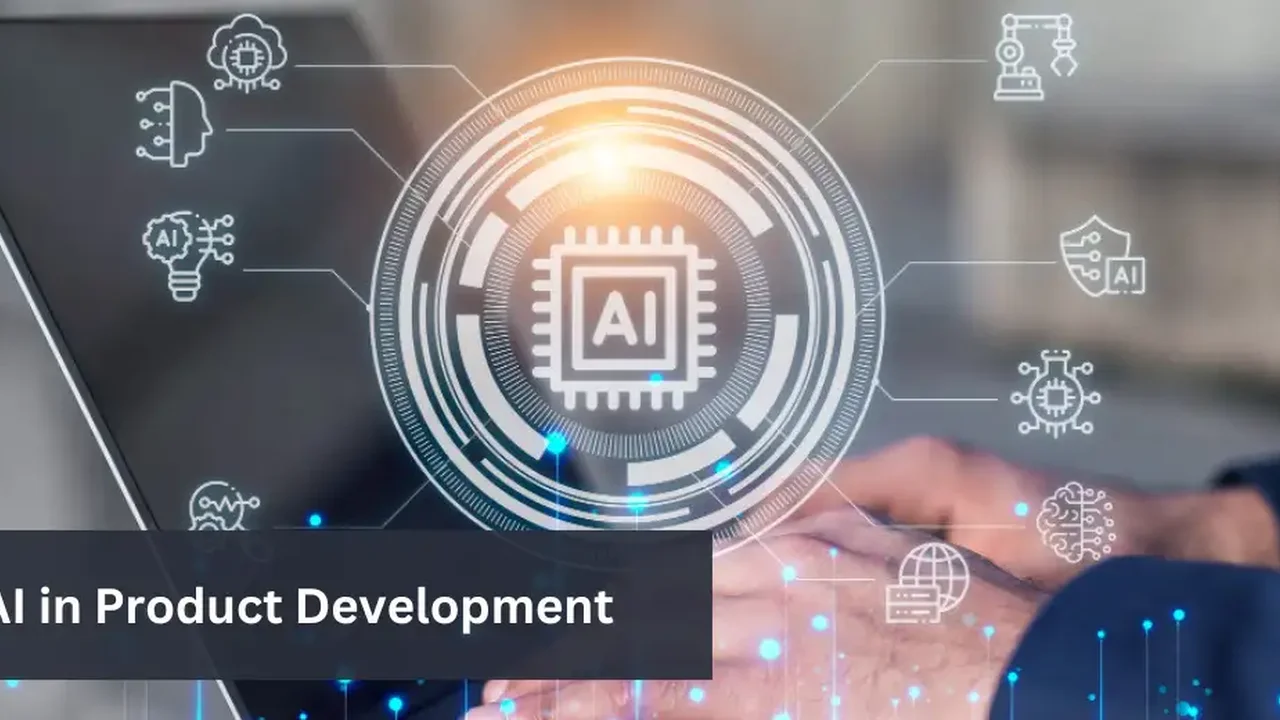
Accelerate your product lifecycle and foster innovation using AI in design and development.
AI for Product Development and Innovation
The Transformative Power of AI in Product Lifecycle
Hey there, ever wondered how some companies seem to churn out amazing new products at lightning speed? A big part of that secret sauce nowadays is Artificial Intelligence. AI isn't just for chatbots or fancy algorithms anymore; it's becoming a core component in how products are conceived, designed, developed, and even launched. We're talking about a complete game-changer that helps businesses move faster, understand their customers better, and innovate in ways that were previously unimaginable.
Think about it: from the initial brainstorming phase where you're trying to figure out what people even want, all the way to testing prototypes and getting feedback, AI can lend a powerful hand. It's like having an army of super-smart assistants working tirelessly to optimize every single step. This means less guesswork, more data-driven decisions, and ultimately, products that hit the mark more often. It's not about replacing human creativity, but rather augmenting it, giving designers and engineers superpowers to explore more possibilities and refine their ideas with unprecedented efficiency.
AI Driven Market Research and Idea Generation
Before you even draw a single sketch, you need to know what problem you're trying to solve and for whom. This is where AI truly shines in the early stages. Traditional market research can be slow and expensive, relying on surveys, focus groups, and manual data analysis. AI, however, can process vast amounts of data from social media, online reviews, forums, and even competitor analysis in a fraction of the time.
Imagine an AI sifting through millions of customer comments about existing products, identifying pain points, unmet needs, and emerging trends. It can spot patterns that human researchers might miss, giving you a clearer picture of what the market is craving. For instance, an AI might analyze reviews for a smart home device and discover a recurring complaint about battery life, immediately highlighting an area for innovation. This isn't just about identifying problems; it's also about generating new ideas. Some AI tools can even suggest novel product concepts based on identified gaps and consumer preferences, acting as a powerful brainstorming partner.
Recommended Tools for Market Research and Idea Generation:
- Brandwatch Consumer Research: This platform uses AI to analyze billions of online conversations, helping you understand consumer sentiment, identify trends, and track brand mentions. It's fantastic for getting a pulse on what people are saying about your industry and potential product categories.
- Talkwalker: Similar to Brandwatch, Talkwalker offers powerful social listening and analytics. Its AI can help you uncover consumer insights, predict trends, and even identify influencers relevant to your product niche.
- ChatGPT (with advanced prompting): While not a dedicated market research tool, with clever prompting, large language models like ChatGPT can synthesize information from various sources (if you feed it data or direct it to public data) and even generate creative product ideas based on specific criteria. It's more of a creative assistant for ideation.
AI Enhanced Design and Prototyping
Once you have a solid idea, the design phase begins. This is where AI can dramatically accelerate the process and lead to more optimized and innovative designs. Generative design, powered by AI, is a revolutionary approach where designers input parameters like materials, manufacturing methods, and performance requirements, and the AI generates hundreds or even thousands of design options. These designs are often far more efficient and structurally sound than what a human could conceive manually.
Beyond generative design, AI can assist with rapid prototyping by simulating how designs will perform under various conditions. Instead of building multiple physical prototypes, AI can run virtual tests for stress, aerodynamics, thermal performance, and more. This saves immense amounts of time and money, allowing designers to iterate much faster. Imagine designing a new car part; AI can simulate its performance in a crash test before a single piece of metal is cut. This iterative feedback loop, driven by AI, means designs are refined to near perfection before they even leave the digital realm.
Recommended Tools for Design and Prototyping:
- Autodesk Fusion 360 (with Generative Design): A comprehensive CAD/CAM/CAE software that integrates generative design capabilities. You define your design goals and constraints, and Fusion 360's AI explores multiple solutions, often leading to lightweight, high-performance designs. Pricing varies from monthly subscriptions (around $60) to annual plans.
- Dassault Systèmes SOLIDWORKS (with Simulation): While not purely AI-driven generative design, SOLIDWORKS offers powerful simulation tools that can be enhanced by AI-driven optimization algorithms. It allows engineers to test designs virtually for various physical properties. Pricing is typically annual, starting from a few thousand dollars for professional versions.
- Midjourney / DALL-E 3 (for conceptual visualization): While not for engineering design, these AI image generators are fantastic for quickly visualizing product concepts and aesthetics. You can generate multiple visual iterations of a product's look and feel in minutes, which is invaluable for early-stage conceptualization and mood boarding. Subscriptions typically range from $10-$40 per month.
AI in Development and Optimization
The development phase is where the rubber meets the road, and AI continues to play a crucial role. For software products, AI can assist with code generation, bug detection, and even automated testing. Tools like GitHub Copilot, powered by AI, can suggest lines of code, complete functions, and even generate entire blocks of code based on comments or existing patterns. This significantly speeds up development time and reduces the likelihood of errors.
For physical products, AI can optimize manufacturing processes. It can analyze production data to identify bottlenecks, predict equipment failures, and suggest adjustments to improve efficiency and reduce waste. Predictive maintenance, for example, uses AI to monitor machinery and forecast when maintenance is needed, preventing costly downtime. Furthermore, AI can optimize supply chains, ensuring that materials are available when needed and products are delivered efficiently.
Recommended Tools for Development and Optimization:
- GitHub Copilot: An AI pair programmer that helps developers write code faster and more efficiently. It suggests code snippets, completes lines, and even generates entire functions. It's a subscription service, typically around $10 per month or $100 annually.
- DeepMind AlphaCode (research tool, not commercial): While not a commercial product you can buy off the shelf, AlphaCode demonstrates the potential of AI in competitive programming, showcasing its ability to generate complex code solutions. It highlights the future direction of AI in software development.
- Siemens Opcenter (for manufacturing optimization): This suite of manufacturing operations management (MOM) software uses AI and machine learning to optimize production processes, improve quality, and enhance efficiency across the factory floor. Pricing is enterprise-level and customized.
- Google Cloud AI Platform (for custom AI model development): If you're looking to build custom AI models for specific optimization tasks (e.g., predictive maintenance for your unique machinery), cloud platforms like Google Cloud AI Platform, AWS SageMaker, or Azure Machine Learning provide the tools and infrastructure. Costs are usage-based.
AI for Quality Assurance and Testing
Ensuring a product is high-quality and free of defects is paramount. AI can revolutionize quality assurance (QA) and testing processes, making them faster, more comprehensive, and more accurate. In software development, AI-powered testing tools can automatically generate test cases, identify critical bugs, and even learn from previous test results to improve their effectiveness over time. This means fewer manual tests, quicker bug fixes, and a more robust final product.
For physical products, AI-powered visual inspection systems can detect manufacturing defects with incredible precision. Cameras combined with AI algorithms can spot tiny flaws on assembly lines that might be missed by the human eye, ensuring consistent quality. This is particularly valuable in industries like automotive, electronics, and pharmaceuticals where even minor defects can have significant consequences. AI can also analyze performance data from early product runs or prototypes to identify potential issues before mass production begins.
Recommended Tools for Quality Assurance and Testing:
- Testim.io (for AI-powered UI testing): This platform uses AI to create, execute, and maintain automated UI tests for web and mobile applications. It's designed to be resilient to UI changes, reducing test maintenance time. Pricing is typically enterprise-level, based on usage and features.
- Applitools (for visual AI testing): Applitools uses AI-powered visual testing to ensure that your application's UI looks and functions correctly across different browsers and devices. It catches visual bugs that traditional functional tests might miss. Offers various plans, including a free tier for small projects and paid plans starting from a few hundred dollars per month.
- Cognex VisionPro (for industrial visual inspection): For physical product quality assurance, Cognex offers advanced machine vision software that can be integrated with AI for defect detection, assembly verification, and more. This is an industrial solution, and pricing is typically project-based.
- Tricentis Tosca (for enterprise test automation): While not exclusively AI, Tosca incorporates AI and machine learning to accelerate end-to-end testing, particularly for complex enterprise applications. It focuses on model-based testing and risk-based testing. Enterprise pricing.
AI in Post-Launch Optimization and Feedback
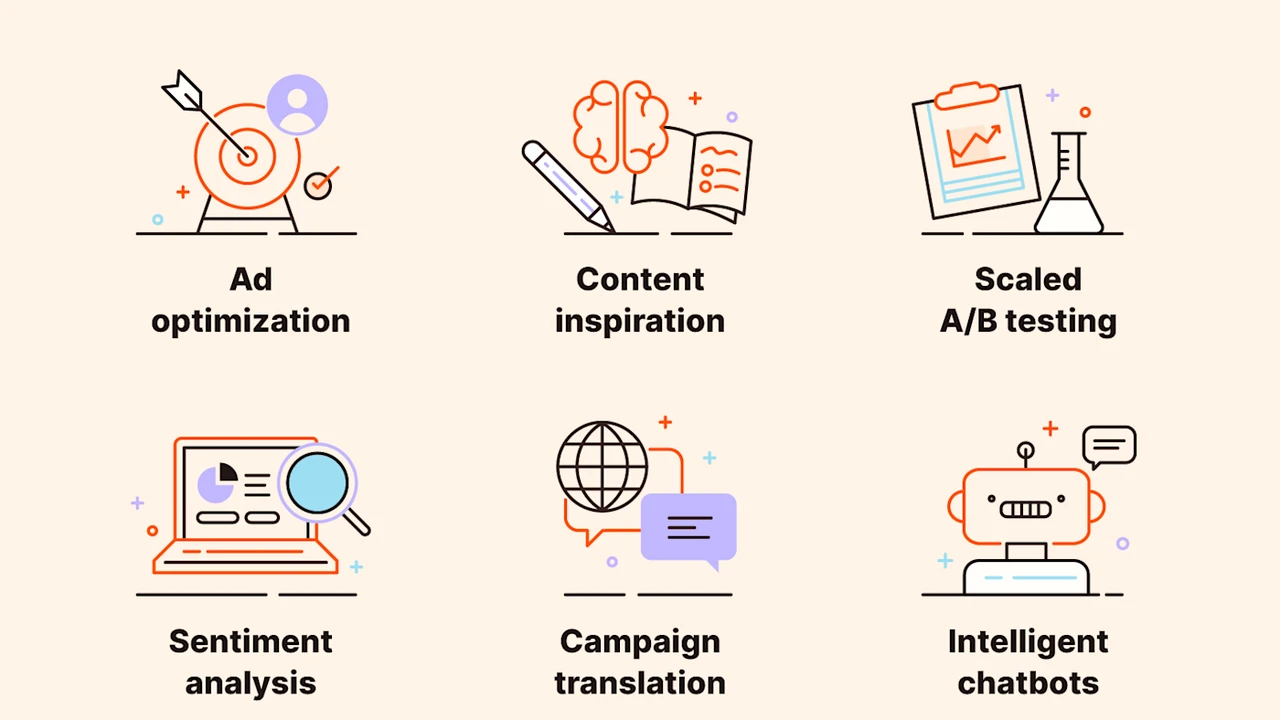
The product journey doesn't end at launch. In fact, that's when the real-world feedback starts pouring in. AI can be incredibly valuable in analyzing this post-launch data to continuously improve the product. Sentiment analysis, powered by AI, can monitor social media, app store reviews, and customer support interactions to gauge public perception and identify common issues or feature requests. This allows product teams to quickly respond to user needs and prioritize updates.
AI can also personalize user experiences by recommending features or content based on individual usage patterns. Think about how streaming services suggest movies or how e-commerce sites recommend products – that's AI at work. This personalization not only enhances user satisfaction but can also drive engagement and retention. Furthermore, AI can analyze product usage data to identify areas of low engagement or features that are underutilized, providing insights for future iterations and improvements.
Recommended Tools for Post-Launch Optimization and Feedback:
- Medallia (for customer experience management): Medallia uses AI to analyze customer feedback from various channels, providing insights into customer sentiment, pain points, and satisfaction levels. It helps businesses understand and act on customer feedback. Pricing is enterprise-level.
- Qualtrics (for experience management): Similar to Medallia, Qualtrics offers powerful AI-driven analytics for customer experience (CX) and employee experience (EX). It can analyze open-text feedback and identify key themes and emotions. Pricing is customized for businesses.
- Mixpanel / Amplitude (for product analytics): These platforms use AI and machine learning to help you understand user behavior within your product. They can identify user cohorts, track feature adoption, and pinpoint drop-off points, providing data-driven insights for product improvements. Pricing varies, with free tiers for small usage and paid plans based on data volume.
- Zendesk / Salesforce Service Cloud (with AI add-ons for customer support): While primarily customer support platforms, their AI capabilities (like natural language processing for ticket routing, sentiment analysis, and chatbot integration) can provide valuable insights into common customer issues and product pain points, feeding directly back into product development. Pricing varies widely based on features and user count.
Challenges and Considerations for AI in Product Development
While the benefits of AI in product development are immense, it's not a magic bullet. There are challenges to consider. One major hurdle is data quality. AI models are only as good as the data they're trained on. If your data is biased, incomplete, or inaccurate, your AI will produce flawed results. Ensuring clean, relevant, and diverse datasets is crucial.
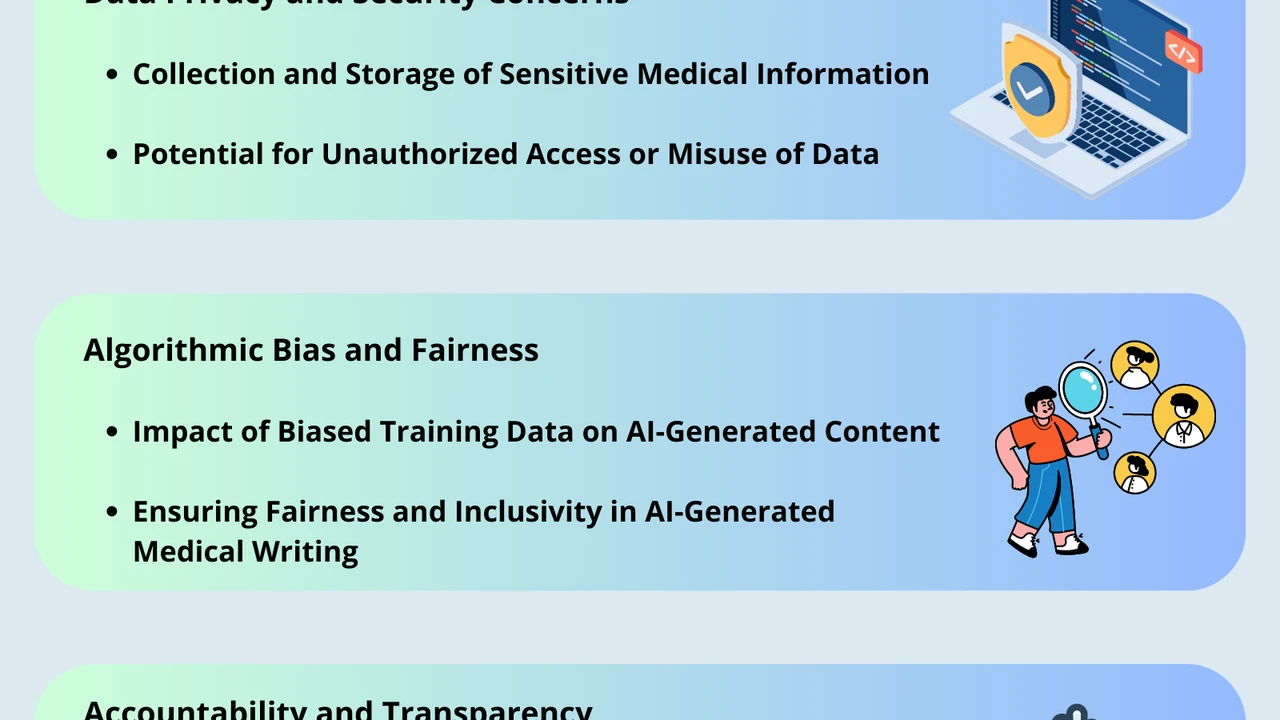
Another consideration is the ethical implications. As AI becomes more involved in design and decision-making, questions arise about accountability, bias in algorithms, and the potential impact on jobs. It's important to implement AI responsibly, with human oversight and a clear understanding of its limitations. Furthermore, integrating AI tools into existing workflows can be complex and requires skilled personnel. It's not just about buying software; it's about adapting processes and training your team.
Finally, the cost of implementing advanced AI solutions can be significant, especially for smaller businesses. While there are many accessible tools, enterprise-level AI platforms require substantial investment. It's essential to conduct a thorough cost-benefit analysis and start with pilot projects to demonstrate ROI before a full-scale rollout. Despite these challenges, the competitive advantage offered by AI in product development is becoming too significant to ignore.
The Future of Product Innovation with AI
Looking ahead, the role of AI in product development is only going to expand. We'll see more sophisticated generative AI capable of designing entire systems, not just components. AI will become even better at predicting market shifts and consumer desires, allowing companies to be proactive rather than reactive. Imagine an AI that can not only design a product but also simulate its entire manufacturing process, predict its market success, and even generate marketing copy for it.
The line between human and AI creativity will continue to blur, leading to truly novel and groundbreaking products. AI will empower smaller teams to achieve what previously required large corporations, democratizing innovation. The focus will shift from simply automating tasks to enabling entirely new ways of thinking about and creating products. It's an exciting time to be involved in product development, with AI acting as a powerful co-pilot, pushing the boundaries of what's possible and helping bring incredible new creations to life faster than ever before.
:max_bytes(150000):strip_icc()/277019-baked-pork-chops-with-cream-of-mushroom-soup-DDMFS-beauty-4x3-BG-7505-5762b731cf30447d9cbbbbbf387beafa.jpg)