Future Proofing Your Career with AI Skills
Strategies for acquiring AI skills that will make your career resilient in an AI-driven future.
Strategies for acquiring AI skills that will make your career resilient in an AI-driven future.
Future Proofing Your Career with AI Skills
Hey there! Ever feel like the world is moving at warp speed, especially when it comes to technology? You're not alone. Artificial Intelligence, or AI, is no longer just a sci-fi dream; it's here, and it's reshaping industries faster than we can say 'robot overlords' (just kidding, mostly). But seriously, if you're looking to keep your career not just afloat but thriving in the coming years, understanding and acquiring AI skills isn't just a good idea – it's becoming essential. Think of it as learning to drive when cars first came out. Those who adapted, prospered. Those who clung to horses... well, you get the picture.
This isn't about becoming a full-blown AI researcher or a machine learning engineer overnight, unless that's your jam, of course! It's about understanding how AI impacts your current role, identifying new opportunities, and strategically building skills that make you indispensable. Let's dive into how you can future-proof your career with AI skills, no matter your background.
Understanding the AI Landscape What is AI and Why Does it Matter for Your Career
Before we jump into specific skills, let's get on the same page about what AI actually is and why it's such a big deal for your career. At its core, AI refers to machines performing tasks that typically require human intelligence. This includes things like learning, problem-solving, decision-making, and even understanding language. We're talking about everything from the recommendation engine on Netflix to the self-driving features in cars, and the chatbots you interact with online.
Why does it matter for your career? Simple: AI is automating repetitive tasks, analyzing vast amounts of data, and creating new possibilities across almost every sector. This means some jobs might change, some might disappear, but many new ones will emerge. The key is to be on the side of creation and adaptation, not just consumption. If you can leverage AI tools, understand AI concepts, or even contribute to AI development, you're putting yourself in a powerful position.
Identifying AI Opportunities in Your Industry How AI is Reshaping Different Sectors
AI isn't just for tech companies. It's permeating finance, healthcare, marketing, education, manufacturing, and even creative fields. Take a moment to think about your current industry. How is AI already being used? How could it be used? For example:
- Marketing: AI personalizes ad campaigns, analyzes customer behavior, and automates content creation.
- Healthcare: AI assists in diagnosing diseases, developing new drugs, and managing patient data.
- Finance: AI detects fraud, predicts market trends, and automates trading.
- Creative Arts: AI generates art, composes music, and assists in video editing.
- Customer Service: AI-powered chatbots handle routine inquiries, freeing up human agents for complex issues.
By understanding these shifts, you can pinpoint where your skills can intersect with AI to create new value. Maybe you're a marketer who learns to use AI for hyper-targeted campaigns, or a healthcare professional who can interpret AI-driven diagnostic tools. The possibilities are vast.
Essential AI Skills for Non-Technical Professionals Understanding AI Concepts and Tools
You don't need to be a coding wizard to benefit from AI. For many, the most valuable AI skills will be about understanding its capabilities and limitations, and knowing how to effectively use AI tools. Here are some key areas:
Prompt Engineering Mastering Communication with AI
This is a big one, especially with the rise of generative AI models like ChatGPT, Midjourney, and DALL-E. Prompt engineering is essentially the art and science of crafting effective inputs (prompts) to get the desired outputs from an AI model. It's like learning to speak the AI's language. If you can ask the right questions, provide the right context, and refine your prompts, you can unlock incredible potential. This skill is crucial for content creators, marketers, researchers, and anyone who interacts with AI for text or image generation.
Recommended Tools/Platforms:
- ChatGPT (OpenAI): Free tier available, paid plans for advanced features. Widely used for text generation, brainstorming, coding assistance.
- Midjourney: Subscription-based, starting around $10/month. Excellent for high-quality image generation from text prompts.
- DALL-E 3 (via ChatGPT Plus or Microsoft Copilot): Included with ChatGPT Plus ($20/month) or free via Microsoft Copilot. Great for diverse image creation.
- Google Bard (now Gemini): Free. Google's conversational AI, good for text generation and information retrieval.
Use Cases: Generating marketing copy, drafting emails, creating social media posts, brainstorming ideas, designing visuals, writing code snippets, summarizing documents.
Data Literacy Understanding and Interpreting AI Outputs
AI thrives on data. Even if you're not building AI models, you'll likely be interacting with AI-generated insights or data analyses. Data literacy means being able to understand what the data is telling you, identify potential biases, and make informed decisions based on AI outputs. This isn't about crunching numbers yourself, but about critically evaluating the information AI provides.
Recommended Learning Resources:
- Coursera/edX: Look for courses like 'Data Science for Everyone' or 'Introduction to Data Analytics.' Many offer free audit options or financial aid.
- Kaggle: A platform for data science and machine learning competitions, offering free datasets and tutorials.
- Google Analytics Academy: Free courses on understanding website data, which often involves AI-driven insights.
Use Cases: Interpreting customer behavior reports, understanding sales forecasts, evaluating marketing campaign performance, making data-driven business decisions.
AI Tool Proficiency Becoming a Power User of AI Applications
Beyond prompt engineering, it's about becoming proficient with specific AI-powered applications relevant to your field. This could be anything from AI-powered CRM systems to intelligent project management tools or advanced design software with AI features. The goal is to integrate these tools seamlessly into your workflow to boost productivity and efficiency.
Recommended Tools (examples, vary by industry):
- Grammarly (AI Writing Assistant): Free basic, Premium $12/month. Improves writing clarity, grammar, and style.
- Canva (AI Design Features): Free basic, Pro $12.99/month. AI-powered background removal, magic edit, text-to-image.
- Notion AI (Productivity): Part of Notion, AI features start at $10/month. Summarizes notes, brainstorms, drafts content within your workspace.
- HubSpot (CRM with AI): Various plans, AI features integrated. Automates sales tasks, personalizes customer interactions.
Use Cases: Automating email responses, generating reports, creating presentations, managing projects, designing marketing materials, personalizing customer outreach.
Technical AI Skills for Career Advancement Learning to Build and Implement AI
If you're looking to dive deeper and potentially transition into more technical AI roles, here are some skills that are highly in demand:
Machine Learning Fundamentals Understanding Algorithms and Models
Machine learning (ML) is a subset of AI that focuses on building systems that learn from data. Understanding ML fundamentals means grasping concepts like supervised vs. unsupervised learning, neural networks, and common algorithms. This is crucial for roles like data scientists, machine learning engineers, and AI developers.
Recommended Learning Platforms/Courses:
- Andrew Ng's Machine Learning Specialization (Coursera): Highly recommended, often considered a foundational course. Financial aid available.
- Google's Machine Learning Crash Course: Free, practical introduction to ML concepts.
- fast.ai Practical Deep Learning for Coders: Free, hands-on approach to deep learning.
Use Cases: Building predictive models, developing recommendation systems, creating image recognition software, optimizing algorithms.
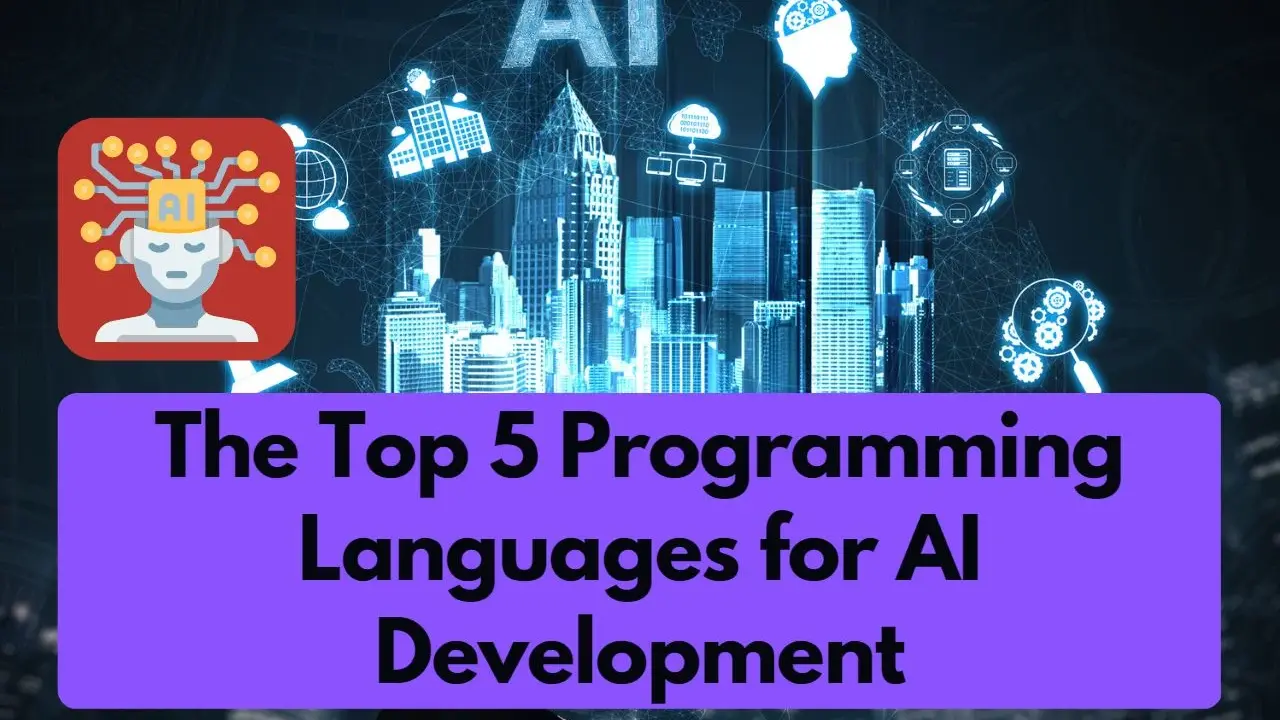
Programming Languages Python and R for AI Development
Python is the undisputed king of AI and machine learning due to its simplicity, vast libraries (like TensorFlow, PyTorch, scikit-learn), and large community support. R is also popular, especially for statistical analysis and data visualization. If you want to build AI models, learning one or both of these is non-negotiable.
Recommended Learning Resources:
- Codecademy/DataCamp: Interactive coding lessons for Python and R. Subscription-based, but often have free trials.
- Automate the Boring Stuff with Python (Al Sweigart): Free online book, great for practical Python skills.
- Python for Data Analysis (Wes McKinney): Excellent book for using Python with data.
Use Cases: Developing AI applications, performing data analysis, building machine learning models, automating tasks.
Cloud Platforms for AI Leveraging AWS Azure and Google Cloud
Most serious AI development and deployment happen on cloud platforms. Services like Amazon Web Services (AWS), Microsoft Azure, and Google Cloud Platform (GCP) offer powerful AI/ML services, computing power, and data storage solutions. Familiarity with at least one of these platforms is a huge asset for technical AI roles.
Recommended Learning Resources:
- Official Documentation and Tutorials: AWS, Azure, and GCP all offer extensive free documentation and tutorials.
- Cloud Certifications: Consider certifications like AWS Certified Machine Learning – Specialty, Azure AI Engineer Associate, or Google Cloud Professional Machine Learning Engineer.
- Udemy/Pluralsight: Courses specifically on AI/ML on cloud platforms.
Use Cases: Deploying AI models, managing large datasets, scaling AI applications, utilizing pre-built AI services (e.g., natural language processing APIs, computer vision APIs).
Strategies for Acquiring AI Skills Learning Paths and Resources
So, how do you actually go about learning these skills? It's not a one-size-fits-all answer. Here are some effective strategies:
Online Courses and Specializations Structured Learning
Platforms like Coursera, edX, Udacity, and Udemy offer structured courses and specializations that can take you from beginner to advanced. They often include video lectures, quizzes, programming assignments, and sometimes even capstone projects. This is great if you prefer a guided learning path.
Examples:
- Coursera: 'AI for Everyone' (non-technical), 'Deep Learning Specialization' (technical).
- Udacity: 'AI Engineer Nanodegree,' 'Machine Learning Engineer Nanodegree.'
- edX: 'Professional Certificate in Data Science' from Harvard, 'MITx MicroMasters Program in Statistics and Data Science.'
Bootcamps and Workshops Intensive Training
If you're looking for a more immersive and accelerated learning experience, AI and data science bootcamps can be a great option. They are often intensive, full-time programs designed to get you job-ready in a few months. Workshops are shorter, focused sessions on specific tools or techniques.
Considerations: Bootcamps are typically expensive (thousands of dollars) but can offer strong career support. Research their job placement rates and curriculum carefully.
Self-Study and Practical Projects Hands-On Learning
For many, the best way to learn is by doing. Start with online tutorials, read books, and then immediately apply what you learn to small projects. This could be anything from building a simple chatbot to analyzing a dataset with AI tools. Practical experience is invaluable.
Tips for Self-Study:
- Start Small: Don't try to build the next ChatGPT on day one. Begin with simple projects.
- Follow Tutorials: Work through step-by-step guides on platforms like Towards Data Science, Medium, or YouTube.
- Join Communities: Engage with AI communities on Reddit (r/MachineLearning, r/learnmachinelearning), Discord, or LinkedIn.
- Build a Portfolio: Showcase your projects on GitHub or a personal website. This is crucial for demonstrating your skills to potential employers.
Company-Sponsored Training and Internal Programs Leveraging Employer Resources
Many forward-thinking companies are investing in upskilling their workforce in AI. Check if your employer offers internal training programs, access to online learning platforms, or tuition reimbursement for relevant courses. This is a fantastic way to learn without personal financial burden.
Networking and Community Engagement Connecting with the AI Ecosystem
Learning AI isn't just about algorithms and code; it's also about people. Networking is crucial for career growth in any field, and AI is no exception.
Attending AI Conferences and Meetups Staying Current and Making Connections
Conferences (even virtual ones) and local meetups are excellent places to learn about the latest trends, hear from experts, and connect with peers. Look for events focused on AI, machine learning, data science, or even specific industry applications of AI.
Examples: NeurIPS, ICML, KDD (more academic/research focused), local AI meetups on Meetup.com.
Joining Online AI Communities and Forums Engaging with Peers
Online communities provide a platform to ask questions, share knowledge, and collaborate on projects. Reddit, Discord servers, LinkedIn groups, and specialized forums are great places to engage.
Examples: Kaggle forums, Stack Overflow (for coding questions), various AI-focused subreddits.
Mentorship and Collaboration Learning from Experienced Professionals
Finding a mentor who is experienced in AI can accelerate your learning significantly. They can provide guidance, share insights, and even open doors to opportunities. Don't be afraid to reach out to people on LinkedIn or at events. Collaboration on projects is another great way to learn from others.
The Mindset for Continuous Learning Embracing Change and Adaptability
The field of AI is evolving at an astonishing pace. What's cutting-edge today might be commonplace tomorrow. Therefore, the most important skill you can cultivate is a mindset of continuous learning and adaptability. Be curious, be open to new ideas, and be willing to unlearn and relearn.
Staying Updated with AI Trends and Research Reading and Following Experts
Make it a habit to read AI news, follow leading AI researchers and practitioners on social media (Twitter/X, LinkedIn), and subscribe to AI newsletters. This will keep you informed about breakthroughs, new tools, and industry shifts.
Recommended Resources:
- AI Newsletters: The Batch (Andrew Ng's newsletter), AI News, Synced.
- Blogs: OpenAI Blog, Google AI Blog, Microsoft AI Blog, Towards Data Science (Medium).
- Podcasts: Lex Fridman Podcast (often features AI researchers), The TWIML AI Podcast.
Embracing Experimentation and Iteration Learning by Doing and Failing Forward
Don't be afraid to experiment with new AI tools or try out a new technique. Not every attempt will be a success, and that's perfectly fine. Learning from failures is a crucial part of the process. The more you experiment, the more comfortable you'll become with the technology and its nuances.
Future-proofing your career with AI skills isn't about predicting the exact future; it's about building resilience and adaptability. By understanding AI's impact, acquiring relevant skills (both technical and non-technical), and fostering a continuous learning mindset, you'll be well-equipped to navigate the exciting and ever-changing landscape of the AI-driven world. So, go forth, learn, experiment, and make AI work for you!
:max_bytes(150000):strip_icc()/277019-baked-pork-chops-with-cream-of-mushroom-soup-DDMFS-beauty-4x3-BG-7505-5762b731cf30447d9cbbbbbf387beafa.jpg)